
You are at the dog park, and your furry friend dashes off after a squirrel. You call, but they keep running. Panic sets in. A microchip is a safety net, but only if someone finds your pet and takes them to a scanner. A GPS pet tracker gives you real-time location data, letting you act immediately. This guide compares two excellent no-subscription GPS trackers from NGXDFL and Focushine with the limitations of microchips, so you can choose the best protection for your companion. For more side-by-side comparisons, visit our Comparisons category.


Buying Guide
Real-Time Tracking vs Passive Identification
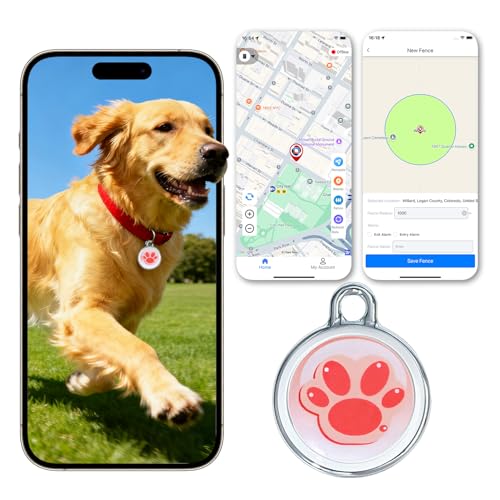
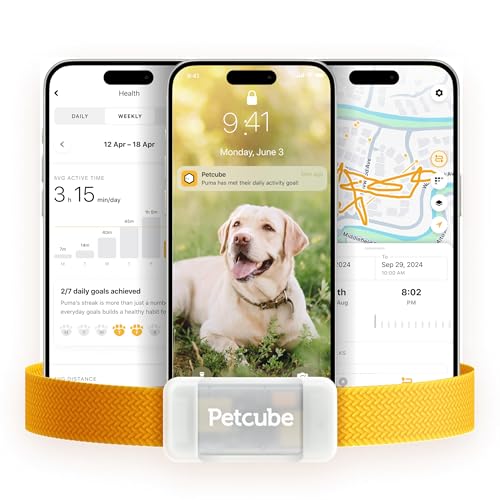
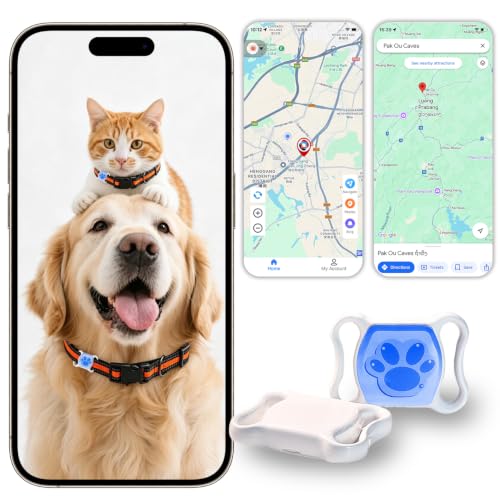
A microchip is a passive device. It only provides identification when a vet or shelter scans it. A GPS tracker, like the Smart GPS Tracker from NGXDFL, offers real-time location updates on your phone. The Focushine model uses Apple Find My network for global positioning. Active tracking means you can find your pet before they wander too far, rather than waiting for a good Samaritan.
Subscription Costs and Long-Term Value
Both products reviewed here require no monthly fees. The NGXDFL tracker saves you about $100 per year compared to subscription-based devices. Microchips have a one-time registration fee but no ongoing cost. However, a GPS tracker gives you the ability to locate your pet anytime without relying on someone else. For more on cost-effective pet tech, see our Pet Tech Guides.
Battery Life and Durability
The NGXDFL tracker boasts an ultra-long battery life of up to 365 days on a single charge, and it is IP67 waterproof. The Focushine tracker uses a replaceable battery and is also IP67 rated, but its battery life depends on Bluetooth usage (10 to 70m range). Microchips are passive and last a lifetime. Consider your pet’s activity level and how often you need to recharge.
Size and Comfort for Pets
Both GPS trackers are lightweight and compact. The NGXDFL weighs only 0.36 oz and fits any collar with a universal lanyard. The Focushine comes with a collar protective case and keychain case, making it easy to attach. Microchips are injected under the skin, invisible and weightless, but they don’t offer location data. If your pet is small, a lightweight tracker like these is a comfortable alternative.
Final Thoughts
Choosing between a GPS tracker and a microchip depends on your need for active monitoring. For pet owners who want real-time peace of mind without recurring fees, the Smart GPS Tracker for Dogs|mini Easy to use Cat from NGXDFL offers exceptional battery life and rugged waterproofing. If you are an iOS user seeking seamless integration with your Apple devices, the Pet GPS Tracker for Dogs,Mini Collar Location from Focushine is a smart, no-app-required solution. Both trackers far surpass a microchip for active recovery, while a microchip remains a useful backup. For more guidance, explore our Comparisons and Pet Tech Guides.
Related Guides
Frequently Asked Questions
Can a GPS tracker replace a microchip? No, a GPS tracker is not a substitute for a microchip. Microchips are permanent identification that can be scanned by shelters and vets even if the battery dies or the tracker falls off. Use both for maximum protection in 2026.
How does a GPS tracker work without a subscription? The NGXDFL tracker uses its own positioning system and free app, while the Focushine tracker leverages Apple’s Find My network via Bluetooth. Neither requires a monthly fee, making them cost-effective options in 2026.
Is a GPS tracker better than a microchip for cats? Yes, especially for outdoor cats. The lightweight design of these trackers (under 10g) is comfortable for cats. A microchip only helps if someone finds your cat, whereas a GPS tracker lets you locate them in real time.
What happens if the GPS tracker battery dies? The NGXDFL tracker lasts up to 365 days, so battery death is rare. The Focushine tracker uses a replaceable battery and sends low-battery alerts. A microchip never needs power, so it’s a reliable backup. Check our Comparisons for more on battery performance.