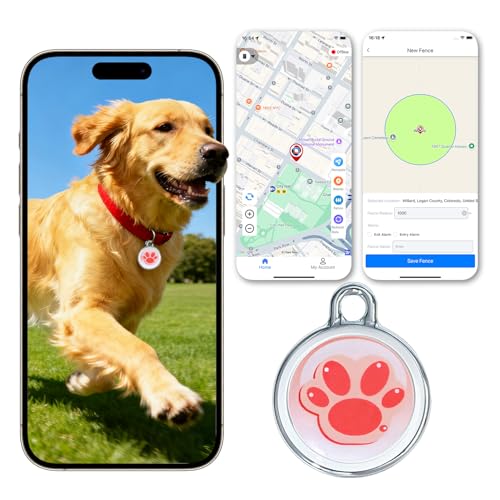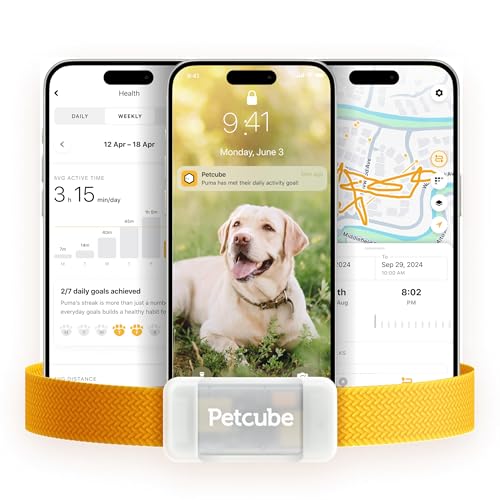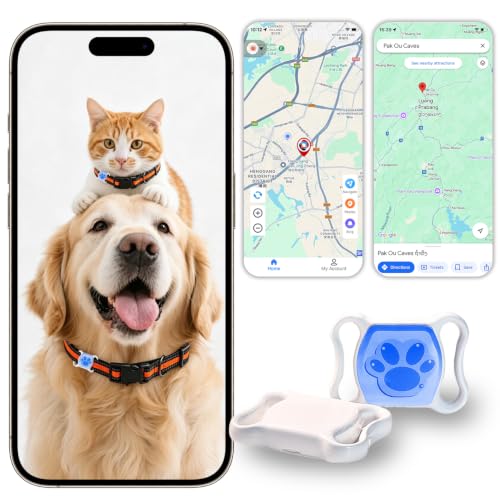

Imagine this: you are at the park with your dog, and suddenly they slip out of their collar and disappear into the bushes. Your heart races as you scan the area, but they are nowhere to be seen. In moments like these, having a reliable tracker can mean the difference between minutes of panic and a quick reunion. This guide compares two popular options: dedicated GPS trackers and the Apple AirTag (2nd Generation). Whether you are tracking a curious pet, a set of keys, or a backpack, understanding the strengths of each will help you make an informed choice. For more in-depth comparisons, check out our Comparisons page.

Buying Guide: What to Consider
Precision vs. Range: How Far Can You Track?
The Apple AirTag uses Ultra Wideband and Bluetooth technology to provide Precision Finding within a limited range. It relies on the vast Find My network, which uses nearby Apple devices to relay its location. This is excellent for urban areas with high iPhone density, but less reliable in remote regions.
In contrast, many GPS trackers for pets use cellular networks and GPS satellites to offer real time location data from virtually anywhere. If you frequently hike in areas with sparse cell coverage, a dedicated GPS tracker may give you better peace of mind. However, the AirTag’s Precision Finding offers step-by-step directions up to 1.5 times farther than the previous generation, making it highly effective for close range searches around your home or neighborhood.
Battery Life and Maintenance: Longevity Matters
The Apple AirTag runs for more than a year on a standard CR2032 battery, and replacing it takes seconds. Your iPhone alerts you when the battery is low. This is a low maintenance solution that requires passive monitoring.
GPS trackers often require frequent recharging, sometimes every few days to a week, depending on usage. Many have rechargeable batteries that need remembering to charge. If you prefer a set-and-forget approach, the AirTag’s long battery life is a clear advantage. For more on pet tech accessories, visit our Pet Tech Guides page.
Compatibility and Ecosystem: What Devices Do You Use?
The Apple AirTag is designed exclusively for the Apple ecosystem. It requires an iPhone or iPad for setup and works seamlessly with the Find My app. You can also share its location temporarily with trusted contacts or over 50 airline partners if you lose something important.
Most GPS trackers are platform agnostic, working with both iOS and Android via dedicated apps. If your household uses a mix of devices, a GPS tracker might be more flexible. However, if you are all in on Apple, the AirTag integrates effortlessly, including step-by-step directions on your Apple Watch.
Durability for Pets: Can It Withstand Adventures?
The AirTag is compact and water resistant with an IP67 rating, meaning it can survive splashes and brief submersion. However, it is not built for rugged pet use out of the box. You will need a sturdy accessory like a collar holder or silicone case to protect it from bumps and dirt.
Many GPS trackers are specifically designed for pets, with weatherproof enclosures, shock resistance, and activity monitoring. If your dog is a vigorous swimmer or tends to roll in mud, a purpose built pet tracker may offer better durability. For a broader look at tracking options, refer to our Comparisons section again.
Final Thoughts
Ultimately, the choice between a GPS tracker and the Apple AirTag comes down to your specific needs. If you prioritize long battery life, seamless integration with Apple devices, and a huge crowd sourced network for finding items in populated areas, the Apple AirTag (2nd Generation) is an excellent option. For adventurous pets or those who roam far from urban centers, a dedicated GPS tracker with cellular connectivity offers more consistent location updates. Both have their strengths, and picking the right one ensures your furry friend stays safe and sound.
Related Guides
Frequently Asked Questions
Can the Apple AirTag be used to track a dog or cat? Yes, many pet owners use AirTags on collars with a holder. However, the AirTag is not a real time GPS tracker; it relies on nearby Apple devices to report its location. This works well in areas with many iPhones but may have delays in remote places. In 2026, Apple added sharing features that can help when your pet is lost.
Is the Apple AirTag waterproof? The AirTag has an IP67 rating, meaning it is resistant to dust and can withstand immersion in up to one meter of water for 30 minutes. It is fine for rain or splashes, but prolonged swimming may damage it. Always use a waterproof accessory for active pets.
What is the difference between a GPS tracker and an AirTag? A GPS tracker uses satellites and cellular networks to provide real time location updates, often with geofencing and activity tracking. The AirTag uses Bluetooth and the Find My network, which is a passive crowd sourced system. GPS trackers typically require a monthly subscription, while the AirTag has no fees beyond the initial purchase.
How long does the Apple AirTag battery last? The AirTag runs for over a year on a standard CR2032 coin battery. Your iPhone will send a notification when the battery is low, and replacing it is simple. This is much longer than most GPS trackers, which may need recharging every few days. For more details, visit our Pet Tech Guides page.