
You have just walked out the door and realize your keys are missing. Or maybe your wallet has slipped out of your pocket during a commute. In 2026, item trackers have become essential tools to keep tabs on what matters most. The Apple AirTag is a household name, but alternatives like the KIUP tag offer cross-platform flexibility. This guide compares the Apple AirTag (2nd Generation) and the Air Tags for Android,Air Tags-4 Pack Android,Air to help you choose the right tracker for your lifestyle. Whether you are an iPhone loyalist or an Android user, we have you covered. For more pet tech comparisons, visit our Comparisons page.


Buying Guide: What to Look for in a Tracker
Compatibility with Your Device
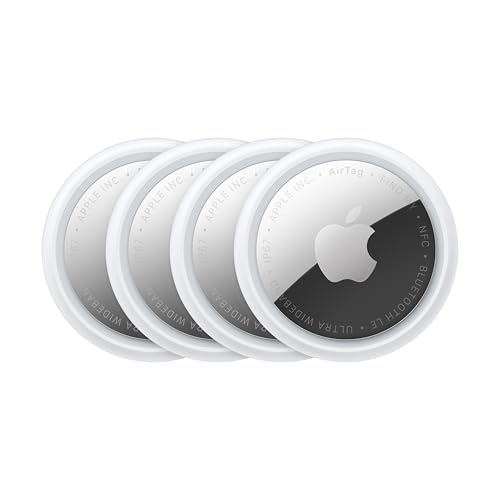
The Apple AirTag (2nd Generation) is designed exclusively for iPhone and iPad users. It integrates seamlessly with the Find My app and offers Precision Finding on newer iPhones. If you own an Android phone, the KIUP tag is a smart alternative because it works with both Google Find Hub and Apple Find My. That means you can share location with friends regardless of their device. Check our Pet Tech Guides for more tips on device compatibility.
Precision Finding and Range
Apple boasts up to 1.5 times the Precision Finding range on the second-gen AirTag, using Ultra Wideband technology to give you step-by-step directions. The KIUP tag also uses UWB to visualize distance within Bluetooth range, but it lacks the tight ecosystem integration of Apple. For most users, the AirTag provides a more refined directional experience, while the KIUP tag offers a solid alternative with a loud 105dB alert sound.
Battery Life and Durability
The Apple AirTag runs for over a year on a standard CR2032 battery, easily replaceable when your iPhone alerts you. The KIUP tag claims up to two years of battery life, which is impressive for an Android-compatible device. Both are splash-resistant, but the KIUP tag has an IP65 rating, meaning it can handle rain and splashes. If you plan to attach a tracker to a pet collar or a travel bag, durability matters. For more on pet-friendly tech, browse our comparisons.
Privacy and Security
Apple AirTag uses encrypted location data that only you and authorized users can see. The KIUP tag also encrypts all location information using Google and Apple technology. Both trackers are designed to prevent stalking, with alerts if an unknown tag is moving with you. When choosing a tracker, privacy should be a top priority. Apple’s Find My network is vast, but the KIUP tag offers similar security for a broader audience.
Final Thoughts
After evaluating both options, the Apple AirTag (2nd Generation) remains the best choice for iPhone users who want the most precise and integrated tracking experience, especially with the expanded Precision Finding and louder speaker. For Android users or those who need a tracker that works across platforms, the Air Tags for Android,Air Tags-4 Pack Android,Air from KIUP offers excellent battery life, waterproofing, and compatibility with both Google and Apple networks. Whichever you pick, you will gain peace of mind knowing your valuables are just a tap away.
Related Guides
Frequently Asked Questions
Can I use an Apple AirTag with an Android phone?
No, the Apple AirTag is designed exclusively for Apple devices. However, the KIUP tag works with both Android and iOS, making it a great alternative if you switch between platforms.
How long does the battery last on these trackers?
The Apple AirTag lasts over a year on a replaceable CR2032 battery. The KIUP tag boasts up to two years of battery life, which is verified in real-world use as of 2026.
Are these trackers waterproof?
The Apple AirTag is splash and water resistant, but not fully waterproof. The KIUP tag has an IP65 rating, meaning it withstands rain and splashes. For more on durable pet tech, see our Pet Tech Guides.
Can I share the location of my tracker with someone else?
Yes, both trackers allow location sharing. Apple AirTag lets you share access temporarily with trusted contacts or airline partners. The KIUP tag also supports sharing via Google and Apple networks.