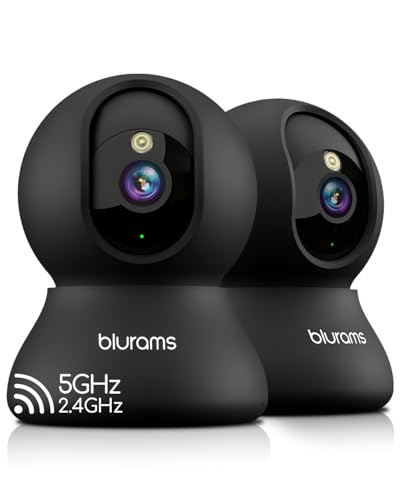

You love your pet, but you can’t always be home to keep an eye on them. Maybe you’ve caught your dog sneaking onto the couch or your cat plotting mischief on the kitchen counter. That’s where a pet camera comes in. But the big question is: should you go wireless or stick with a wired model? In this guide, we break down the pros and cons of each, then highlight four top-rated wired cameras that deliver reliable performance without the hassle of battery changes or Wi-Fi dropouts. Whether you’re a tech-savvy pet parent or just want a simple setup, we’ve got you covered. For more pet tech insights, check out our Pet Tech Guides.


Buying Guide: What to Look for in a Pet Camera
Video Quality and Night Vision
Clear video is non-negotiable when you’re checking on your furry friend. Most modern pet cameras offer at least 1080p Full HD, but some go up to 2K for extra detail. Pay attention to night vision range, too. Models like the Kasa 1080p Indoor Pan/Tilt Wired Security Camera provide 30 feet of night vision, so you can see your pet even in complete darkness. For a deeper dive into camera specs, visit our Comparisons page.
Pan, Tilt, and Motion Tracking
A fixed lens only shows one angle, but a pan/tilt camera lets you follow your pet around the room. Look for 360-degree horizontal coverage and vertical tilt. Some cameras, like the Kasa 1080p Indoor Pan/Tilt Wired Security Camera, even include motion tracking so the camera automatically follows moving objects. That’s a game-changer for active pets.
Two-Way Audio and Alerts
Being able to talk to your pet through the camera is a must for many owners. Two-way audio lets you soothe a nervous dog or tell your cat to get off the table. Also consider motion and sound detection alerts. The Cinnado 2K Security Camera Indoor for Pet/Dog/Baby offers customizable push notifications and a built-in siren for extra security.
Storage Options: Local vs. Cloud
Decide how you want to store footage. Local storage via a microSD card is cost-effective and keeps your data private. Cloud storage offers remote access and backup, but often requires a subscription. The Tapo 1080P Indoor Security Camera, Baby Monitor supports both, giving you flexibility. Review our Comparisons for more on storage trade-offs.
Final Thoughts
When choosing between wireless and wired pet cameras, wired models like the Kasa 1080p Indoor Pan/Tilt Wired Security Camera offer consistent power and a stable connection, making them ideal for round-the-clock monitoring. If you want higher resolution and budget-friendly pricing, the Cinnado 2K Security Camera Indoor for Pet/Dog/Baby is a solid pick with its crisp 2K video and smart alerts. Both deliver peace of mind without the worry of battery life or Wi-Fi interference.
Related Guides
Frequently Asked Questions
Can I use a wired pet camera outdoors?
Most wired indoor pet cameras are not weather-resistant, so they are best kept inside. For outdoor use, look for a camera with an IP65 rating like the Tapo SolarCam. Check our Pet Tech Guides for outdoor options.
Do wired pet cameras work without Wi-Fi?
Wired pet cameras still need Wi-Fi to stream video to your phone. Without internet, they can record locally to a microSD card, but you won’t get live remote access. For offline recording, ensure the camera supports continuous local storage.
How long do wireless pet camera batteries last?
Battery life varies widely, from a few days to several months depending on usage and features like motion recording. In 2026, many wireless models offer rechargeable batteries or solar panels, but wired cameras eliminate battery anxiety entirely.
Which is more secure: wired or wireless pet cameras?
Both can be secure with proper encryption and strong passwords. Wired cameras have a slight edge because they aren’t susceptible to Wi-Fi jamming attacks. However, any camera with cloud storage should use end-to-end encryption. Always update firmware for the best security.