
You love letting your dog run free, but the thought of them wandering off or into a neighbor’s yard keeps you on edge. Traditional fences are expensive to install and can ruin your view, while buried wire systems require digging and constant maintenance. That is where a GPS dog collar fence system comes in. These smart devices create invisible boundaries using satellite technology, giving your dog the freedom to roam while you relax. In this guide, we have evaluated the top models available in 2026 to help you find the perfect fit for your pup and property. Whether you have a small yard or acres of land, there is a wireless solution here for you. For more insights on GPS tracking, check out our PetSafe guardian GPS + tracking review.


Buying Guide
Boundary Accuracy and Customization
Not all GPS fences are created equal when it comes to boundary precision. Some models use dual-frequency GPS and ground station corrections to keep your dog within inches of the set line, while others rely on standard satellite signals that can drift. Look for systems that allow you to create custom shapes, not just circles, so you can match your property’s exact layout. The tractive vs other GPS dog trackers comparison can help you understand how different technologies compare.
If your yard has odd angles or you need to exclude a garden or pool area, a system with polygonal fencing is a must. Many collars now offer independent boundaries for multiple dogs, which is ideal for households with more than one pet. The ability to adjust the radius in small increments gives you fine control over your dog’s safe zone.
Battery Life and Durability
A GPS collar is only useful if it stays powered and survives the elements. Look for models with at least 48 hours of runtime on a single charge, and consider how long it takes to recharge. Quick magnetic charging is a huge convenience for busy pet parents. Waterproof ratings like IPX7 or IP67 ensure the collar can handle rain, mud, and even a splash in the lake without failing.
Durability also matters for active dogs that love to explore rough terrain. Some collars are built with reinforced straps and impact-resistant housings, while others are lightweight and slim for everyday comfort. If you have a large dog that pulls or rolls in the dirt, choose a rugged design that can take a beating. For more on large dog options, see our best large dog GPS tracker fence guide.
Training Modes and Safety Features
The best GPS fences use a progressive warning system that gives your dog a chance to turn back before any correction is applied. Most collars start with an audible beep, then add vibration, and only use static stimulation as a last resort. Adjustable intensity levels let you tailor the experience to your dog’s temperament and size. Some models even include a remote training function that works beyond the fence boundary.
Safety should always come first. Avoid systems that only offer shock without warning tones or vibration. Look for collars that automatically stop correction once the dog returns to the safe zone. Built-in health monitoring, like heart rate and step counting, is a bonus that helps you keep track of your dog’s well-being during play. For a broader look at tracking technology, visit our best dog tracker collars page.
Subscription Costs and Connectivity
One of the biggest selling points of modern GPS fences is the option to avoid monthly fees. Many models operate entirely without Wi-Fi, cellular service, or subscriptions, using standalone GPS to define boundaries. However, some premium systems require a paid plan to unlock features like real-time tracking, activity reports, and cloud storage. Consider whether you prefer a one-time purchase or a service that offers ongoing updates and support.
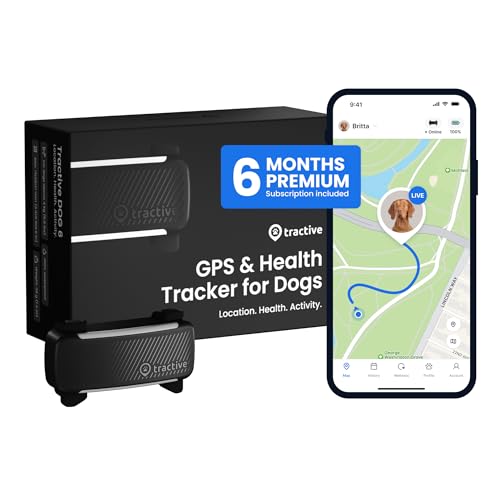
Connectivity also affects how well the system works in remote areas. Collars that rely on cellular networks may struggle in rural locations, while those using GPS alone function anywhere with a clear sky view. If you frequently hike or camp with your dog, choose a collar that works offline and stores boundaries locally. For a long-term perspective on a popular tracker, read our tractive DOG 6 long term review.
Final Thoughts
Choosing the right GPS dog collar fence system comes down to your property size, your dog’s personality, and your budget. For most households, the GPS Dog Collars for 2 Dogs offers an unbeatable combination of dual-dog support, custom boundaries, and zero subscription fees, making it a versatile choice for families with multiple pets. If you need professional-grade tracking and training in one device, the Dogtra PATHFINDER2 MINI Compass Live GPS Dog delivers rugged reliability and offline maps for serious outdoor adventures. Whichever you pick, you will enjoy peace of mind knowing your dog can explore safely within their invisible fence.
Frequently Asked Questions
How does a GPS dog collar fence work without Wi-Fi or cellular service?
Most standalone GPS fences use satellite signals from GPS, GLONASS, and Galileo to determine your dog’s location relative to a programmed boundary. They do not need internet or cellular data to operate because all the processing happens on the collar itself. You set the boundary by walking the perimeter or entering coordinates, and the collar uses its onboard chip to detect when your dog approaches the edge.
Can I use a GPS fence for multiple dogs at the same time?
Yes, many systems support two or more dogs with independent collars. Each collar can have its own boundary settings, so you can give a smaller dog a tighter safe zone while allowing a larger dog more room to roam. Some models, like the GPS Dog Collars for 2 Dogs, are specifically designed for multi-dog households and store separate fence memories for each collar.
Is a GPS fence safe for my dog?
When used correctly, GPS fences are safe and humane. Most collars use a progressive warning system that starts with sound, then vibration, and only uses static stimulation if the dog continues past the boundary. You can adjust the intensity to match your dog’s size and sensitivity. Always introduce the fence gradually with positive reinforcement training to help your dog learn the boundaries.
How long does the battery last on a GPS dog collar fence?
Battery life varies by model and usage. Many collars offer 48 to 60 hours of runtime on a single charge, while some premium models can last up to five days in power-saving mode. Factors like GPS update frequency, vibration usage, and temperature affect battery life. Look for collars with fast charging, preferably magnetic, so you can recharge quickly between walks or play sessions.