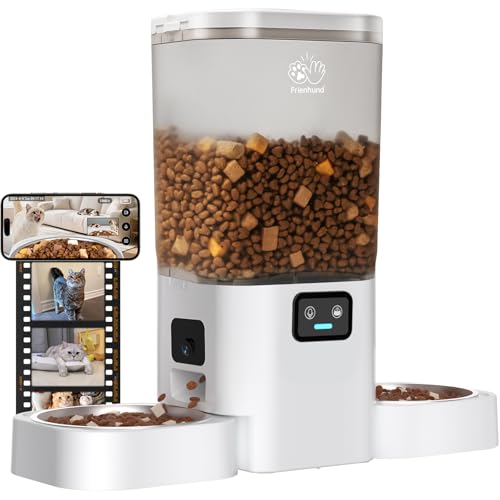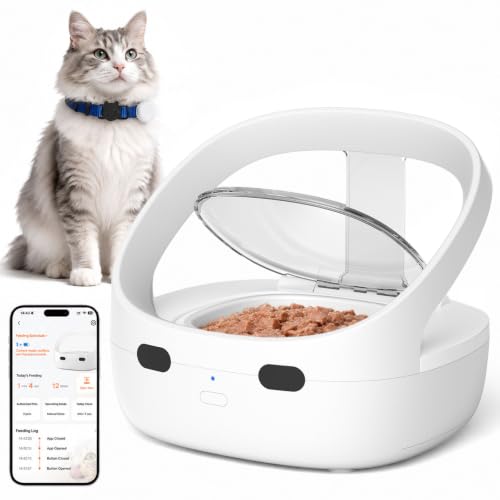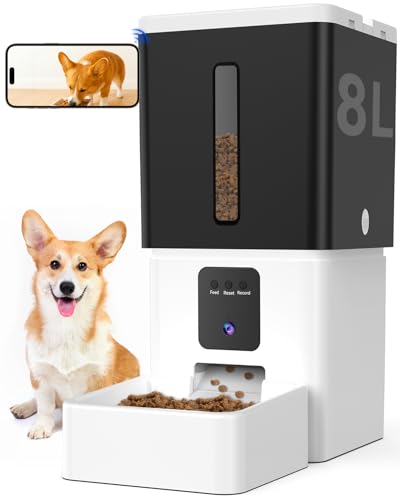

You have multiple cats, each with different dietary needs. One needs a prescription kidney diet, another is on a weight management plan, and the third just loves to sneak everyone else’s food. Mealtime becomes a battleground, and you worry about who is eating what. This is where a microchip feeder with app control changes everything. These smart devices read your pet’s unique microchip or an RFID tag, opening only for the authorized animal and locking out food thieves. With app connectivity, you can schedule meals, monitor intake, and receive alerts, all from your phone. In this guide, we have evaluated the top models on the market to help you find the perfect solution for your multi-pet household. For more on managing multiple felines, check out our guide to best microchip feeders for multiple cats.


Buying Guide
Microchip and RFID Compatibility
The core feature of any microchip feeder is its ability to identify your pet. Most feeders on the market are compatible with ISO standard microchips (15 digits), which are common in many countries. However, some older microchips or non-ISO chips may not be recognized. Always verify that the feeder supports your pet’s specific microchip type. Most feeders also come with an RFID collar tag as a backup for pets without a microchip or for those whose chips are not compatible. For a deeper look at how these systems work in homes with two pets, see our article on best RFID feeders for two pets.
App Connectivity and Features
A microchip feeder with a dedicated app offers far more than just selective access. Look for apps that allow you to create detailed feeding schedules, set precise portion sizes, and view feeding logs. Advanced apps provide insights into your pet’s eating habits over time, which can be invaluable for spotting early signs of illness. Some feeders require a separate hub to connect to the app, while others have built-in Wi-Fi. For those who want the convenience of remote monitoring, models with built-in Wi-Fi are generally easier to set up and use. You can explore more options in our roundup of best RFID feeders with WiFi.
Food Type and Capacity
Consider what type of food you need to dispense. Most microchip feeders are designed for dry kibble, but some models can handle wet food as well. If your cat eats a prescription wet diet, a feeder that keeps the food fresh with a sealed lid is essential. Capacity is another important factor. Larger hoppers can hold several days’ worth of dry food, which is great for busy owners or when you are away. However, for wet food, you will need a feeder with a smaller, refrigerated compartment or one that you refill daily. The right choice depends on your cat’s specific dietary requirements.
Power Source and Backup
Reliability is key for any automatic feeder. Look for models that offer both AC power and battery backup. This ensures that your pet’s feeding schedule continues even during a power outage. Some feeders also have a low-battery alert sent to your phone via the app. A sturdy design with anti-clog mechanisms is also a plus, as it prevents jams that could leave your pet hungry. For more insights on choosing the right feeder for your household, visit our multi-pet feeders category page.
Final Thoughts
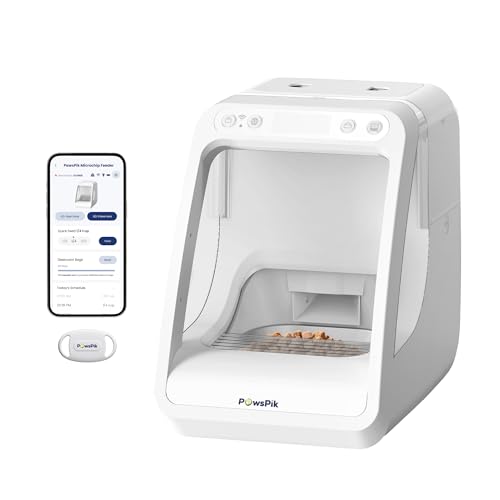
Choosing the right microchip feeder with app control comes down to your specific needs and budget. For pet owners who want the most advanced tracking, dual-band Wi-Fi, and comprehensive health insights, the Invengo RFID Automatic Cat Feeder stands out with its precise RFID identification and detailed app reports. If you prefer a reliable and more affordable solution with flexible feeding modes and a large capacity, the PawsPik Automatic Microchip RFID Cat Feeder offers excellent value and straightforward app control. Both options will bring peace to your mealtimes and ensure each pet gets the nutrition they need.
Related Guides
- Top RFID Feeders for Individual Pet Feeding
- Multi Pet Feeder vs Single Pet Feeder
- Automatic Feeder vs Microchip Feeder
Frequently Asked Questions
Can a microchip feeder work with multiple cats?
Yes, but typically each feeder is programmed to recognize only one pet’s microchip or RFID tag. For a multi-cat household where each cat needs a different diet, you will need one feeder per cat. Some models can store multiple IDs, but they will open for any authorized pet, which may not be ideal for strict dietary control.
Do I need a hub for the SureFeed Microchip Pet Feeder Connect?
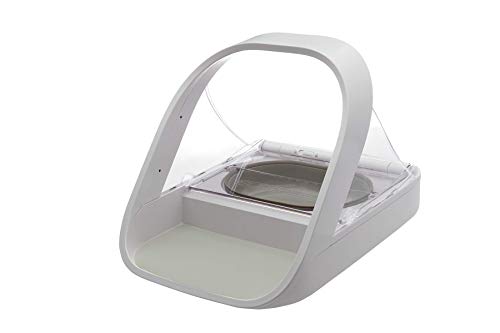
Yes, the SureFeed Microchip Pet Feeder Connect requires a separate hub to connect to the Sure Petcare app and enable features like portion control and feeding notifications. The hub is sold separately, so factor that into your total cost. The standard SureFeed model does not require a hub but lacks app connectivity.
How do I pair my cat’s microchip with the feeder?
Pairing is usually a simple process. You place your cat near the feeder, and the feeder scans the microchip. Then you press a button on the feeder to register that ID. Most feeders will confirm the pairing with a light or sound. Always follow the manufacturer’s instructions for your specific model.
Are microchip feeders safe for wet food?
Some microchip feeders are designed to handle wet food. The SureFeed models, for example, have a sealed lid that helps keep wet food fresh and moist. However, most dry-food-only feeders are not suitable for wet food because it can spoil or clog the mechanism. Always check the product specifications before using wet food.