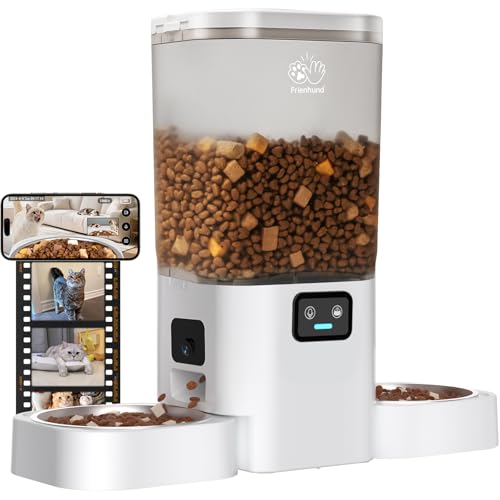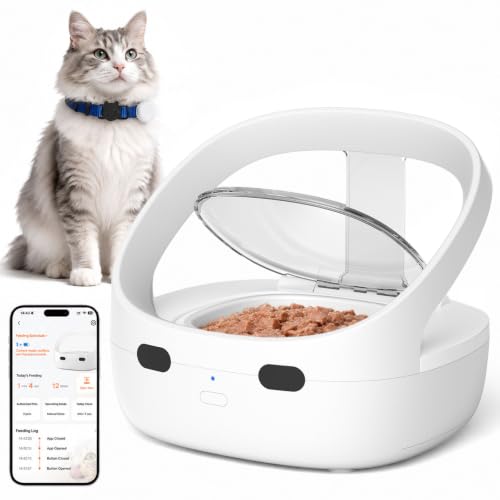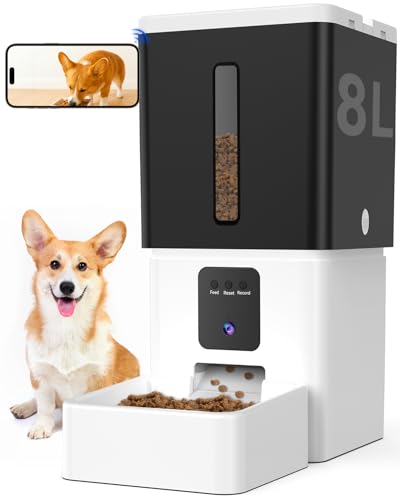

If you share your home with multiple dogs, you know the struggle: one dog inhales their food in seconds, then steals from the slower eater. Prescription diets, weight management, or simply keeping peace at mealtime becomes a daily battle. Microchip feeders solve this by opening only for the assigned pet, using their implanted microchip or a collar tag. In this guide, we review the best microchip feeders for multiple dogs in 2026 to help you choose the right solution for your pack.
We evaluated five top models from brands like SureFlap, ePawden, and Invengo, focusing on compatibility, ease of use, and reliability. Whether you need app connectivity or a simple no-fuss design, there is a feeder here for you. For more on how RFID technology keeps meals separate, check our guide to RFID feeders for multi-pet homes.


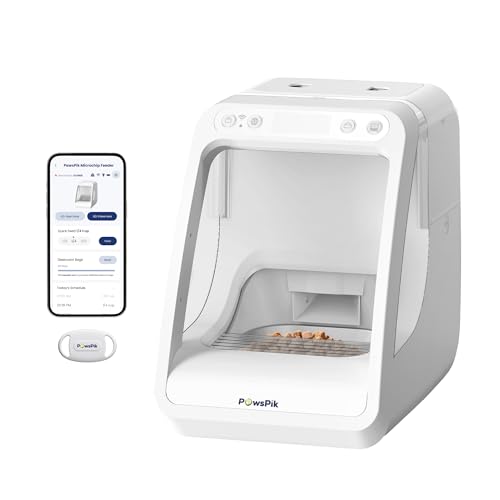
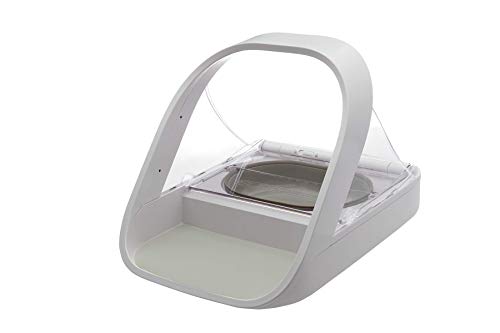
Buying Guide: What to Look for in a Microchip Dog Feeder
Microchip and RFID Compatibility
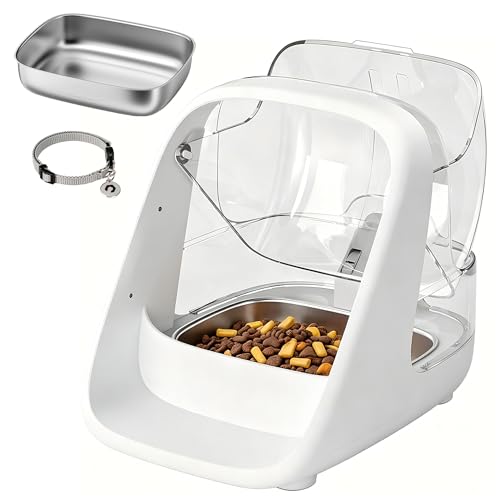
Not all feeders read every microchip. Most support ISO 15-digit chips (FDX-B), but some also work with older 9- or 10-digit formats. If your dog is not chipped, look for models that include RFID collar tags. The best RFID feeders for different pet diets offer flexible pairing options.
Check how many pets one feeder can register. Some units store up to 32 IDs, while others pair with only one. For multi-dog homes, you may need one feeder per dog, especially if each has a special diet.
Power Source and Backup
A microchip feeder should keep working even during a power outage. Models with built-in rechargeable batteries or backup battery slots ensure your dog does not miss a meal. USB-C rechargeable feeders offer convenience and eliminate disposable batteries. For busy pet parents, long battery life (up to six months) reduces maintenance.
App Connectivity and Monitoring
Smart feeders let you schedule meals, monitor feeding activity, and receive alerts from your phone. This is especially useful if you travel or work long hours. Some apps track each pet’s intake, which helps detect appetite changes early. However, app-based feeders often require a separate hub or stable Wi-Fi. If you prefer simplicity, a standalone feeder with one-button programming works just as well.
For more on smart features, see our review of RFID feeders for multiple dogs.
Bowl Material and Capacity
Stainless steel bowls are durable, odor-resistant, and safe for pets with sensitive skin. Plastic bowls can harbor bacteria and cause chin acne. Consider the bowl capacity: a 500 ml bowl suits a single meal, while larger 16-cup reservoirs are better for multiple feedings. If you feed wet food, a sealed lid keeps it fresh.
Final Thoughts
Choosing the right microchip feeder depends on your dogs’ needs and your lifestyle. For pet parents who want app-based tracking and precise portion control, the SureFeed Microchip Pet Feeder Connect offers excellent monitoring (with the optional hub). If you prefer a simple, rechargeable unit that works with wet and dry food without an app, the ePawDen Microchip Pet Feeder is a reliable, budget-friendly choice. Both stop food stealing and help manage special diets, making mealtimes peaceful for everyone.
Related Guides
- Top RFID Feeders for Individual Pet Feeding
- Multi Pet Feeder vs Single Pet Feeder
- Automatic Feeder vs Microchip Feeder
Frequently Asked Questions
Can I use a microchip feeder for multiple dogs at the same time?
Yes, but each feeder typically works for one registered pet at a time. In a multi-dog home, you will need one feeder per dog to prevent food stealing. Some feeders store multiple IDs but only open for the approaching pet.
Do microchip feeders work with all microchip brands?
Most modern microchip feeders support ISO 15-digit microchips (FDX-B). Older 9- or 10-digit chips may not be compatible. Always check the product specifications. Many feeders include RFID collar tags for dogs without chips or with non-ISO chips.
How do I clean a microchip pet feeder?
Remove the bowl and lid (if detachable) and wash them with warm, soapy water. Avoid submerging the electronic base. Stainless steel bowls are dishwasher safe. Regular cleaning prevents bacteria buildup and keeps the sensor working properly.
What is the difference between a microchip feeder and an RFID feeder?
Both use radio frequency identification. A microchip feeder reads your pet’s implanted microchip, while an RFID feeder uses a collar tag. Many models support both modes. For more details, visit our multi-pet feeders category page or the automatic feeders hub.