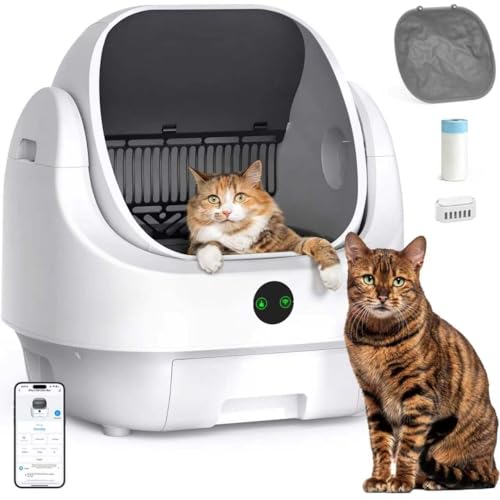

If you’re tired of scooping litter every single day, you’ve likely wondered whether a robot litter box is worth the switch. Traditional boxes demand constant attention: daily scooping, weekly deep cleans, and a battle against odors that never seems to end. Robot litter boxes automate the waste removal process, sparing you the messy chore. In this guide, we compare the convenience, safety, and maintenance of robot litter boxes against traditional setups, and we’ll highlight three standout automatic models to help you make an informed choice. Whether you have a single cat or a house full of felines, there’s a solution that fits your lifestyle.
Convenience is the biggest draw: you can go days without touching litter. But not all robot boxes are created equal. Some offer advanced app integration and health tracking, while others focus on simplicity and quiet operation. In 2026, the market offers a wide range of features to suit every preference. As you weigh your options, it helps to understand what each type brings to the table.
For more hands-on comparisons of pet tech, explore our comparisons category to see how different innovations stack up.


Buying Guide
When selecting a robot litter box, several factors determine whether it will truly simplify your life. The three models we’re reviewing today, the FEELNEEDY, Furrykiddy, and otoging, range from budget-friendly simplicity to advanced smart connectivity. We’ve evaluated the most critical criteria based on our experience with these devices and the needs of real cat owners.
Below, we break down what to consider so you can choose a unit that matches your household’s habits and your personal preferences.
Safety Features
Safety should be your top priority. Look for models with weight sensors that detect your cat’s presence and pause rotation immediately. Some units, like the Furrykiddy model, use precise internal weight detection and even offer a dedicated kitten mode that fully deactivates automatic cleaning for young cats. Infrared sensors at the waste bin entrance prevent curious paws from being trapped during cleaning cycles.
These safeguards ensure that your cat is never at risk, even if they decide to investigate while the box is working. Always verify that the model you choose has these protections, as they’re non-negotiable for a safe experience.
App Connectivity and Health Tracking
A connected litter box can be a game-changer for proactive pet care. Through a dedicated app, you can monitor your cat’s bathroom frequency, litter usage, and even weight trends. Remote control lets you start a cleaning cycle from anywhere, and full-bin notifications ensure you never run out of capacity. For example, the FEELNEEDY model offers real-time monitoring with 2.4GHz WiFi, and it sends reminders when the trash bin is full.
Health tracking is particularly valuable if you have a senior cat or a cat prone to urinary issues. Frequent changes in bathroom habits can be an early warning sign. With app-based logs, you can spot irregularities and consult your vet promptly. For broader insights on smart pet technology, visit our pet tech guides.
Odor Control
Odor management is often the deciding factor for cat owners. High-end robot boxes seal waste in an airtight bin, often supplemented with carbon filters or deodorizing systems. Some include a litter mat to minimize tracking. The FEELNEEDY model goes a step further with a triple-layer defense: integrated ABS materials that prevent leaks, a 3-layer waterproof mat that resists odor absorption, and an airtight waste storage with a silicone gasket.
These features work together to keep your home smelling fresh, even in multi-cat households. If you’re sensitive to smells, prioritizing odor control is essential.
Capacity and Maintenance
Consider the waste bin size and overall litter capacity. A larger bin means fewer emptyings, which is especially valuable in multi-cat homes. The Furrykiddy model boasts a 12L waste bin that can last 10-15 days with daily use, while the otoging model offers a 10L container with 6kg litter capacity. Additionally, compatibility with various litter types is crucial. Most models support clumping, crystal, and tofu litter, giving you flexibility.
Ease of cleaning is another factor. Some units have removable parts that are dishwasher safe, while others require manual wiping. Look for models with smooth surfaces and few crevices where waste can accumulate. By choosing a unit with generous capacity and simple maintenance, you’ll spend less time on upkeep and more time enjoying your pet.
Final Thoughts
After reviewing these options, both the Automatic Litter Box, FEELNEEDY Self Cleaning and the Automatic Self Cleaning Litter Box stand out for different reasons. The FEELNEEDY excels with its triple-layer odor defense and real-time app monitoring, making it ideal for tech-savvy owners who want detailed insights into their cat’s health. On the other hand, the Furrykiddy model offers quiet operation and robust safety features at a more accessible price point, making it a great entry into automated litter boxes. Whichever you choose, you’ll reclaim hours of your time and keep your home fresher than ever.
Related Guides
Frequently Asked Questions
Do robot litter boxes work with all types of cat litter?
Most robot litter boxes are compatible with clumping litter, including bentonite, tofu, and some crystal varieties. Always check the manufacturer’s recommendations to ensure optimal performance. For instance, the FEELNEEDY model supports bentonite, mineral, and tofu litter, while the Furrykiddy is compatible with clumping, crystal, and tofu varieties.
How often do I need to empty the waste bin?
It depends on the bin capacity and your cat’s usage. Many models can go 10 to 15 days between empties for a single cat. With multiple cats, you might need to empty it weekly. The Furrykiddy model offers a 12L bin that lasts up to 15 days, while the otoging has a 10L container that requires more frequent emptying.
Are robot litter boxes safe for kittens?
Many models include a kitten mode that disables automatic cleaning until your kitten reaches a safe weight. The Furrykiddy model explicitly offers this feature. Always supervise young cats during the initial transition and ensure they feel comfortable entering and exiting the box.
Can I control the litter box remotely?
Yes, most smart models offer app-based control via 2.4GHz WiFi, allowing you to start a cleaning cycle, adjust settings, and monitor usage from your smartphone. The FEELNEEDY and Furrykiddy models both support app control, though the otoging model is designed for those who prefer a simpler, app-free experience with just a press of a button.