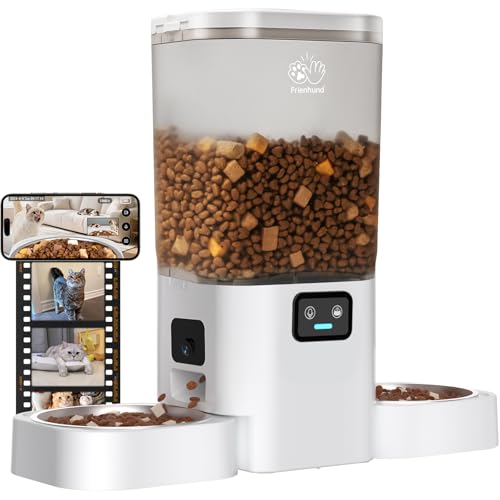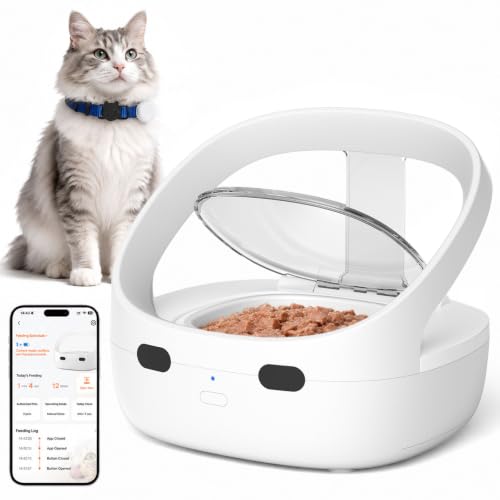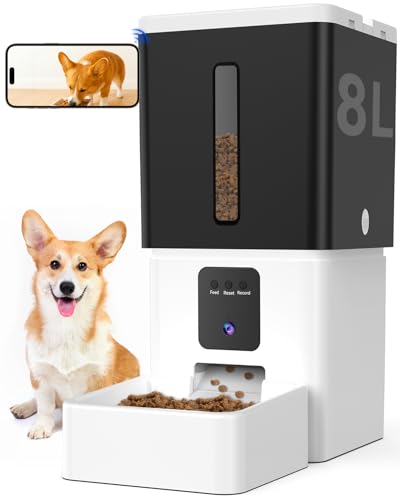

If you have multiple cats, mealtime can feel like a battlefield. One cat might scarf down the other’s prescription diet, leaving the other hungry and you frustrated. You’ve probably searched for a solution and come across two main options: smart feeders and microchip feeders. But which one actually solves your problem? In this guide, we’ll compare smart feeders vs microchip feeders, breaking down how they work, what to look for, and which models stand out in 2026. We’ll help you find the right feeder to keep every cat happy and healthy.
Whether you’re managing a multi-pet household or just want precise control over your cat’s meals, understanding the difference is key. Let’s dive in.
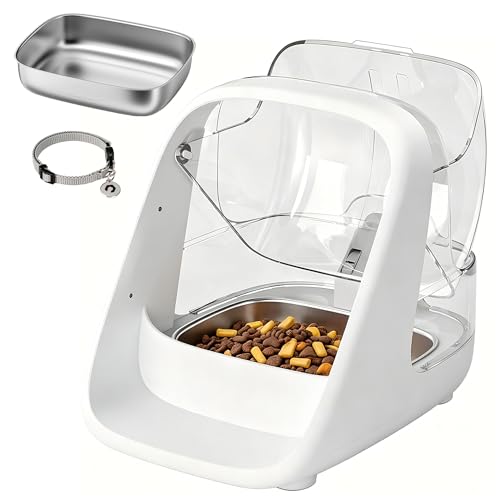


Buying Guide: What to Consider When Choosing a Cat Feeder
Before you pick a feeder, you need to know what matters most for your situation. Here are four key criteria to keep in mind.
1. Pet Identification Technology: Microchip vs RFID Tag
The core of any selective feeder is how it recognizes your cat. Microchip feeders read your pet’s implanted microchip (usually ISO 15-digit or FDX-B). This is the most seamless option because your cat doesn’t need to wear anything extra. However, not all feeders are compatible with all microchip types, so check compatibility before buying.
RFID feeders use a collar tag that you attach to your cat’s collar. This is handy for pets without microchips or if you want to use the feeder in open mode (where the lid stays open unless an unauthorized pet approaches). Some feeders, like the ePawDen Microchip Pet Feeder, support both, giving you flexibility.
For more detailed comparisons, check out our pet tech comparisons.
2. Feeding Capacity and Food Types
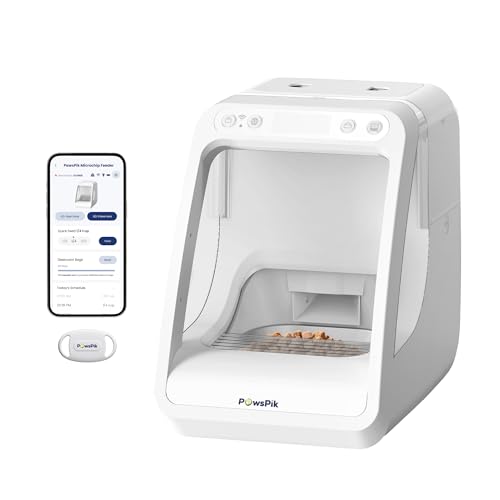
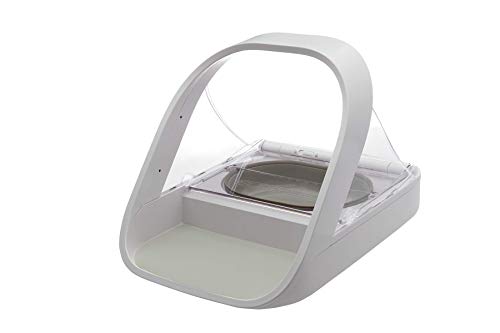
Consider how much food the feeder can hold and whether it works with wet food, dry food, or both. If you have a large cat or multiple meals per day, a larger capacity (like 16 cups in the PawsPik Automatic Microchip RFID Cat Feeder) is a plus. For wet food, look for a sealed lid that keeps food fresh, like the Sure Petcare -SureFlap – SureFeed, which has a neoprene lip to retain moisture.
Some feeders, like the Invengo RFID Automatic Cat Feeder, are designed for dry food only, while others handle both. Think about your cat’s diet before you commit.
3. App Connectivity and Smart Features
If you want to monitor feeding from your phone, look for a smart feeder with app control. The Invengo RFID Automatic Cat Feeder offers dual-band Wi-Fi and detailed feeding reports, while the PawsPik Automatic Microchip RFID Cat Feeder lets you schedule up to 10 meals per day and monitor activity. On the other hand, if you prefer simplicity, the ePawDen Microchip Pet Feeder works without an app, using one-button pairing.
For more on smart pet tech, visit our Pet Tech Guides.
4. Power Source and Backup
Nobody wants a feeder that dies during a power outage. Some feeders rely on batteries, while others have a backup battery or rechargeable options. The ePawDen Microchip Pet Feeder has a built-in rechargeable battery that lasts up to 6 months on a single charge. The PawsPik Automatic Microchip RFID Cat Feeder includes a backup battery for uninterrupted feeding. Consider how often you lose power and how easy it is to replace batteries.
Final Thoughts
In the battle of smart feeder vs microchip feeder, the right choice depends on your needs. If you want advanced app tracking and Wi-Fi connectivity, the Invengo RFID Automatic Cat Feeder is a top pick. If you prefer a simpler, battery-friendly option that works with both wet and dry food, the ePawDen Microchip Pet Feeder is a great choice. Both are reliable, but they serve different lifestyles. Think about what matters most to you, and you’ll find the perfect feeder for your feline friends.
Related Guides
- Best Automatic Multi Pet Feeder Reviews
- Automatic Multi Pet Feeder Reviews
- Multi Pet Feeder vs Single Pet Feeder
Frequently Asked Questions
Can a smart feeder work without Wi-Fi?
Yes, many smart feeders can operate in manual mode without Wi-Fi, but you’ll lose remote scheduling and monitoring. Some feeders, like the ePawDen Microchip Pet Feeder, don’t require Wi-Fi at all, using one-button pairing instead. For app-dependent models, Wi-Fi is essential for full functionality.
Are microchip feeders compatible with all microchips?
Not all. Most feeders support ISO 15-digit (FDX-B) microchips, but some older chips (like Avid Secure or FDXA) may need a compatible model. The Sure Petcare -SureFlap – SureFeed works with 9, 10, and 15-digit chips, while the PawsPik Automatic Microchip RFID Cat Feeder only supports ISO chips. Always check your pet’s chip type before purchasing.
Can I use a microchip feeder for multiple cats?
Yes, but each feeder typically works for one pet at a time. For multiple cats, you’ll need one feeder per cat, or a feeder that can register multiple pets (like the ePawDen Microchip Pet Feeder, which supports up to 15 pets). However, the lid only opens for the registered pet, so only one cat can eat at a time.
Do smart feeders work with wet food?
Some do, but not all. The Sure Petcare -SureFlap – SureFeed and the ePawDen Microchip Pet Feeder are designed for both wet and dry food, with sealed lids to keep wet food fresh. Others, like the Invengo RFID Automatic Cat Feeder, are only suitable for dry kibble. Check the product specifications to be sure.