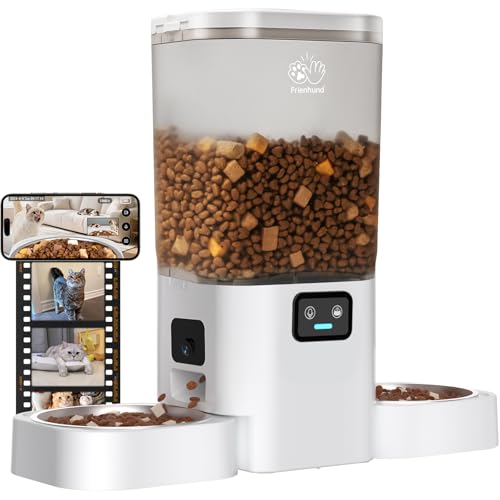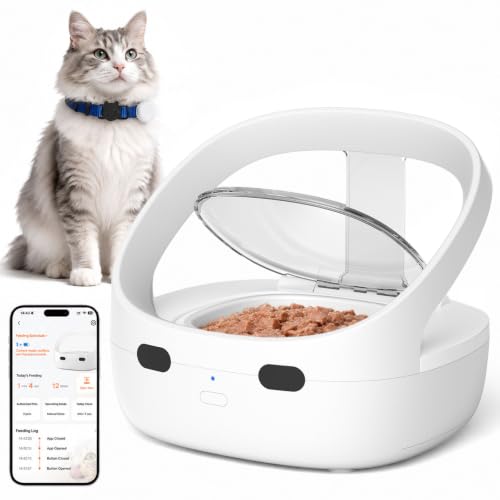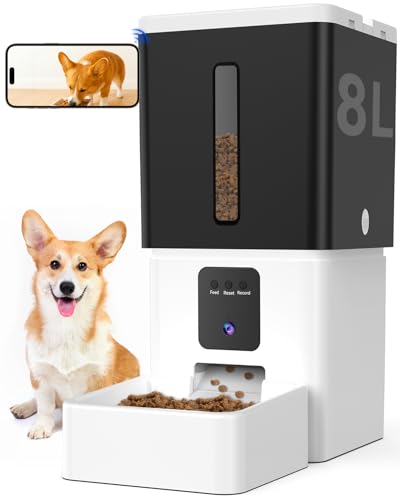

If you live with multiple cats, you have likely witnessed the mealtime chaos: one cat devours everything while another on a prescription diet goes hungry. Traditional automatic feeders simply release food on a timer, leaving the door wide open for food theft. Microchip feeders solve this by opening only for the registered pet. In this guide, we compare automatic feeders versus microchip feeders, reviewing five top models to help you decide which type suits your household. Whether you need portion control, wet food compatibility, or multi-pet management, we have you covered. For more comparisons, check out our comparisons hub.


Buying Guide
Microchip and RFID Compatibility
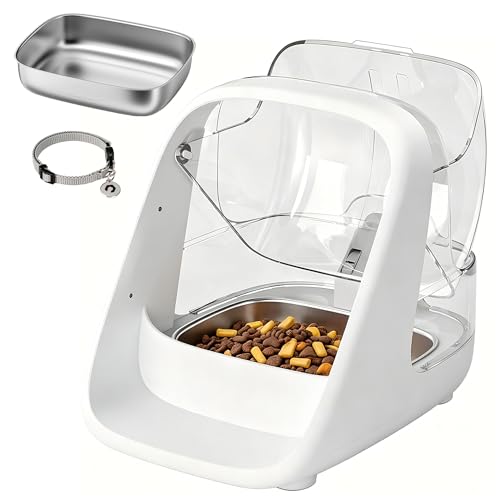
Not all microchip readers are created equal. Some feeders accept only ISO 15-digit chips, while others also support older 9- or 10-digit formats. If your cat is already microchipped, verify that the feeder recognizes that chip before purchasing. Many units also include RFID collar tags for pets without chips, such as the ePawDen Microchip Pet Feeder which pairs up to 15 IDs. For a deeper dive into pet tech, visit our Pet Tech Guides.
Food Type: Wet vs. Dry
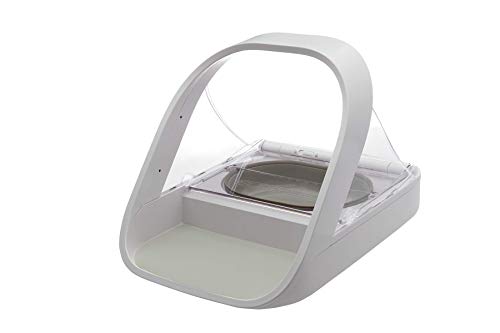
If your cat eats wet food, you need a feeder with a sealed lid that keeps moisture in and prevents spoilage. Models like the Sure Petcare SureFeed and the ePawDen are designed for wet and dry food. Many automatic feeders with a bulk hopper only work with dry kibble. Think about your cat’s diet before choosing.
Power Source and Backup
Some feeders run on mains power with battery backup, while others are fully rechargeable. The ePawDen, for instance, offers a USB-C rechargeable battery lasting up to six months. If power outages are common in your area, a model with reliable backup ensures your cat is never missed a meal.
Capacity and Number of Pets
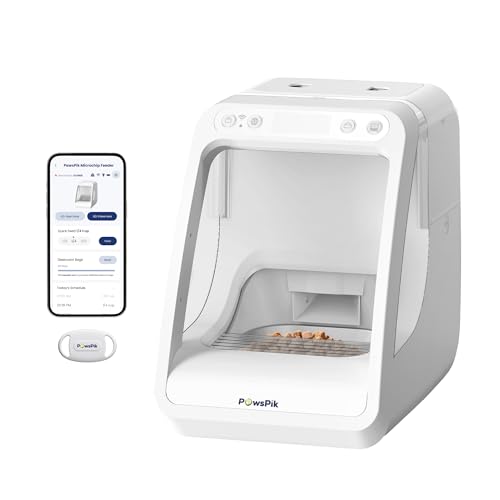
Consider how many cats you need to feed and how much food the feeder holds. The PawsPik feeders have a large 16-cup capacity but are limited to one pet per unit. For multiple pets, you will need multiple feeders. The Invengo RFID Automatic Cat Feeder also works per cat but includes app tracking for each animal.
Final Thoughts
Choosing between an automatic feeder and a microchip feeder comes down to your specific needs. If you have a single cat on a strict schedule and diet, a basic automatic feeder may suffice, but for multi-cat homes with food theft or medical diets, a microchip feeder is a game changer. Our top recommendations cover both ends: the Invengo RFID Automatic Cat Feeder excels with its detailed health tracking and dual-band Wi-Fi, ideal for the tech-savvy owner, while the Sure Petcare SureFeed remains the veterinarian-recommended choice for simplicity and reliability with wet food.
Related Guides
- Best Automatic Multi Pet Feeder Reviews
- Automatic Multi Pet Feeder Reviews
- Multi Pet Feeder vs Single Pet Feeder
Frequently Asked Questions
Can a microchip feeder work with any cat microchip?
Not all feeders are compatible with every microchip. Most newer models support ISO 15-digit chips, but some older chips (like 9-digit Avid) may not be read. Always check the product specifications. For instance, the Sure Petcare SureFeed works with 9, 10, and 15 digit chips. If your cat lacks a chip, most feeders include an RFID collar tag.
How many pets can I register on one feeder?
It depends on the model. The ePawDen Microchip Pet Feeder stores up to 15 IDs, making it suitable for multiple cats sharing one feeder. However, feeders like the PawsPik and Invengo are designed for one pet per unit. For multiple cats, you would need one feeder per cat to prevent food theft.
Can I use wet food in a microchip feeder?
Yes, some models are specifically designed for wet food. The Sure Petcare SureFeed and the ePawDen both have sealed lids that keep wet food fresh. The stainless steel bowl in the ePawDen is easy to clean and does not retain odors, ideal for wet meals.
Do these feeders require a smartphone app?
Some models like the Invengo RFID and PawsPik offer app control for scheduling and monitoring. Others, like the Sure Petcare and ePawDen, operate with a simple one-button setup and no app required. If you prefer a connected experience, choose an app-enabled model; if you want simplicity, a non-app feeder works just as well.