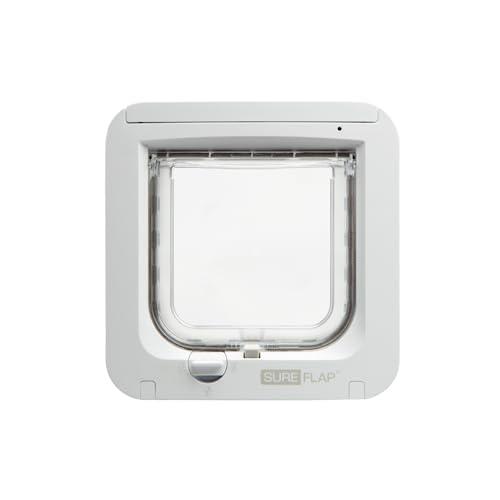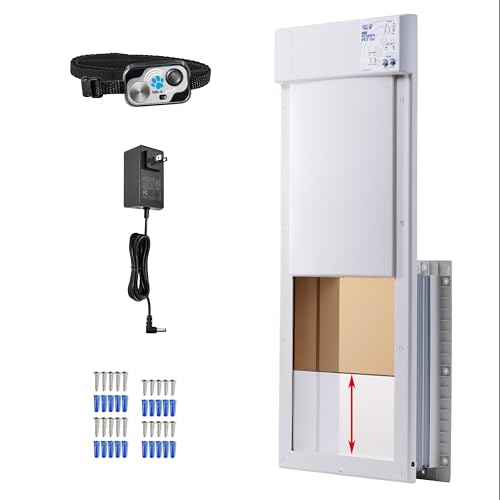

Imagine your dog scratching at the door at 6 a.m., waking the whole household, or worse, you worrying about them being stuck outside in bad weather. A wall mounted dog door solves both problems: it gives your pet the freedom to come and go on their own schedule while keeping your home secure and energy efficient. In this guide, we review the best wall mounted dog doors for 2026, covering smart automatic options, heavy-duty models, and budget-friendly picks. Whether you have a small cat or a giant breed, we have a solution for you. For more smart pet solutions, check out our Smart Pet Home category.


Buying Guide
Installation Type and Wall Compatibility
Wall mounted dog doors require cutting an opening in your wall, which is more permanent than a door or window installation. Check the wall thickness your model supports—some, like the Aiday model, offer an expandable tunnel for walls up to 7.1 inches thick. Also consider whether you need a model that fits exterior walls with insulation or interior walls. For more on installation, see our high tech pet power pet door review.
Pet Size and Flap Dimensions
Measure your pet’s height and width to ensure the flap opening is large enough. The Aiday automatic door fits extra large dogs up to 200 pounds, while the iGuardPaw is better for smaller breeds. A flap that is too small will discourage use, and one that is too large may let in drafts. Always check the cutout dimensions for your wall.
Security and Access Control
For many homeowners, security is a top concern. Smart models like the Olideauto and Power Pet use RFID tags or collar sensors to allow only your pet through, blocking strays and wildlife. Some models offer scheduling modes to restrict access at night. If you need multi-pet access, look for models that support multiple tags. Compare similar features in our PetSafe electronic pet door large review.
Weather Resistance and Insulation
A wall mounted dog door is a permanent opening in your home’s envelope, so insulation matters. The Petoasis model uses three flaps for extreme weather, while the Power Pet door features Low-E dual-pane glass. Look for magnetic seals and draft blockers to maintain your home’s temperature and reduce energy costs.
Final Thoughts
Choosing the best wall mounted dog door comes down to your pet’s size, your security needs, and your budget. For a fully automatic, WiFi-enabled solution with RFID tags, the Olideauto Automatic Pet Door Opener with is our top pick for tech-savvy owners who want remote control and voice integration. If you need a heavy-duty, weatherproof option for large breeds, the [Petoasis] 3-Flaps Heavy-Duty Dog Door offers exceptional durability and insulation at a lower price point. Whichever you choose, your pet will enjoy newfound independence while you enjoy peace of mind.
Related Guides
Frequently Asked Questions
How do I install a wall mounted dog door?
Installation involves cutting a hole in your wall, inserting the tunnel, and securing the frame. Most models include a template and instructions, but for exterior walls, consider hiring a professional to ensure proper sealing and insulation. For a step-by-step guide, see our Automatic Pet Doors category.
Can wall mounted dog doors be used for cats?
Yes, many wall mounted dog doors work for cats as well, especially models with adjustable sensitivity and smaller flap sizes. The iGuardPaw and Olideauto models support both cats and dogs, and you can program the sensor tags for each pet individually.
Are automatic wall mounted dog doors safe?
Yes, modern automatic doors include safety features like anti-pinch sensors that reverse if an obstruction is detected. The Aiday and Power Pet models both have safe closure systems that protect paws and tails. Always choose a model with certified safety mechanisms.
Do wall mounted dog doors need electricity?
Some models, like the Aiday automatic door, plug into a standard outlet and include an extension cord. Others, like the Petoasis, are manual and require no power. Smart models with WiFi or sensors typically need electricity, while basic flap doors do not. Consider your home’s wiring before purchasing.