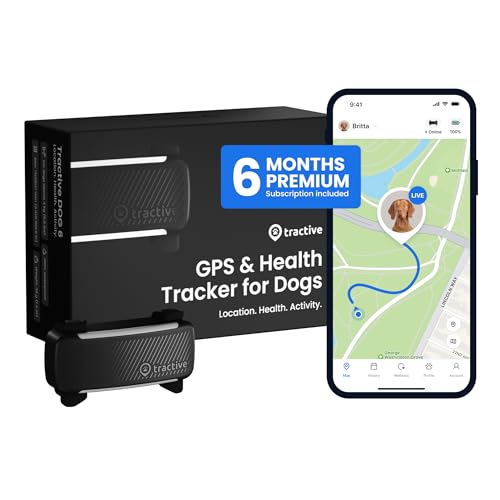

You want your dog to enjoy the yard safely, but digging trenches for buried wires or worrying about escape routes is a hassle. Wireless GPS dog fences have changed the game, offering invisible boundaries you can set up in minutes without any digging. In this guide, we review the seven best wireless dog fence systems of 2026, covering options for every yard size, budget, and dog personality. Whether you need a simple no-subscription collar for two dogs or a premium system with real-time tracking, we have you covered.
For more on GPS tracking technology, check out our best GPS dog collars guide for 2026.




Buying Guide: What to Look for in a Wireless Dog Fence
GPS Accuracy and Satellite Support
Not all GPS collars are created equal. Dual-frequency GPS (L1 + L5) combined with real-time ground station corrections delivers the best accuracy, often within a few feet. Multi-satellite support (GPS + GLONASS + Galileo) helps maintain a stable connection in areas with tree cover or uneven terrain. For large rural properties, look for systems that use cellular or Wi-Fi backup to prevent drift.
Boundary Customization and Range
Your yard shape matters. Circular fences work for simple lots, but custom polygonal boundaries let you exclude driveways, gardens, or pools. The best wireless dog fence systems allow multiple saved fences for different locations, like your home and a vacation cabin. Range varies from a fraction of an acre to over 1,000 acres, so match the coverage to your property size.
Correction Modes and Training Features
Every dog responds differently. Adjustable beep, vibration, and static stimulation levels let you tailor the experience. Progressive correction that escalates only if the dog continues past the boundary is safer and less stressful. Some collars include an early warning band that vibrates before the boundary, reducing confusion. For training guidance, the PetSafe guardian GPS review offers insights on app-based training.
Battery Life and Durability
A wireless fence is only useful if the collar stays powered. Look for at least 48 hours of runtime per charge, and IPX7 or IP67 waterproofing for rain, mud, and splashes. Collars should fit comfortably on dogs from 10 to 120 pounds, with adjustable straps that won’t irritate the neck. For more on durable pet tech, see our best smart pet safety devices roundup.
Final Thoughts
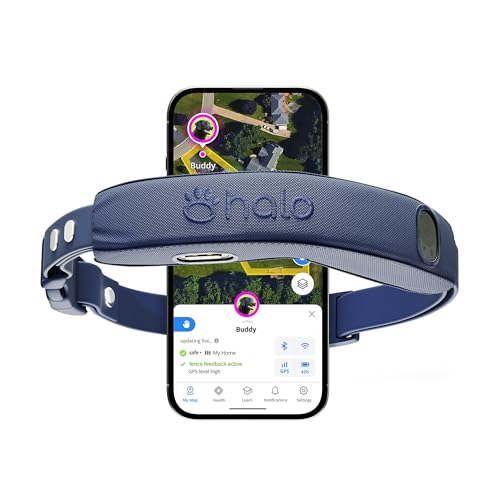
After evaluating the top contenders, we believe the GPS Dog Collars for 2 Dogs offers exceptional value for multi-dog households with its no-subscription model and independent boundaries, while the Halo Collar 5 GPS Wireless Dog Fence, Midnight stands out for those who want professional training guidance and real-time tracking backed by Cesar Millan’s program. Whichever you choose, a wireless GPS fence gives you peace of mind and your dog the freedom to explore safely.
Frequently Asked Questions
How does a wireless dog fence work?
A GPS collar communicates with satellites to determine your dog’s location relative to a virtual boundary you set via an app. When your dog approaches the boundary, the collar emits a warning sound, then vibration or static stimulation if they continue. The system uses real-time GPS data to maintain accuracy.
Do wireless dog fences require a subscription?
Many models, like the Safehalo and DOGOITM, require no monthly fees. Premium systems such as the Halo Collar 5 include a free first year of subscription for GPS tracking and cellular data, then charge a low daily fee afterward. Always check the product details before buying.
Can I use a wireless fence for multiple dogs?
Yes. Many systems support two or more dogs with independent collars. The Safehalo GPS Dog Collars for 2 Dogs lets you set separate boundaries for each dog, so a larger dog can roam farther while a smaller dog stays closer to the house. For more on multi-pet setups, read our best GPS pet collars guide.
What happens if the GPS signal is lost?
Most collars have a failsafe: if the GPS signal drops, the collar will not apply correction. Some models, like the Thereye and Halo, use cellular or Wi-Fi backup to maintain tracking. In open areas with clear sky views, signal loss is rare. Dense forests or deep valleys may reduce accuracy, so always evaluate your property’s conditions.