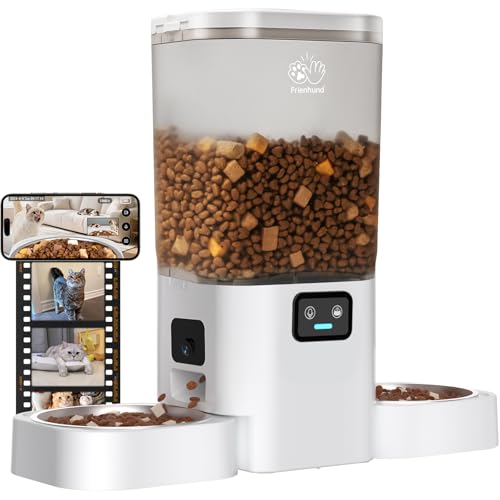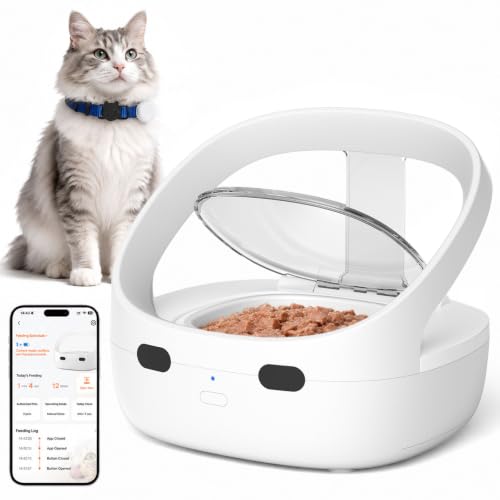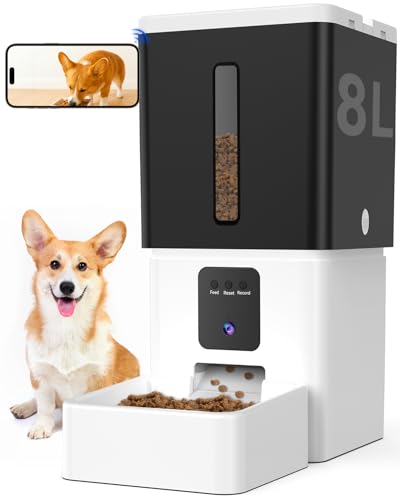

You come home after a long day, and your cat is meowing at the bowl, expecting a fresh meal. But you already fed them this morning, and the leftover wet food in the fridge is cold and unappetizing. Scheduling your pet’s meals around your own can feel like a chore, especially when you are out of the house for hours. A refrigerated pet feeder solves this by keeping wet food cold and fresh, then serving it at the right time, just like a miniature fridge for your furry friend. This guide is for busy pet owners who want the convenience of automated feeding without compromising on food quality or safety. We have evaluated several top models to help you choose the best refrigerated pet feeder for your home.
Welcome to Pet Tech Guides, where we help you make smart choices for your pets.


Buying Guide
Cooling Technology: Semiconductor vs. Ice Packs
The heart of any refrigerated feeder is how it keeps food cold. Semiconductor cooling, used by the PETLIBRO and PetSafe models, uses a thermoelectric module to actively remove heat and maintain a consistent low temperature, typically around 40-42°F. This is more reliable than relying on ice packs, which melt over time, create temperature fluctuations, and require manual replacement. For multi-day trips or hot summer days, semiconductor cooling ensures your pet’s food stays safe from bacterial growth. Look for models that offer true refrigeration, not just passive cooling.
Ice pack-based systems are cheaper but less effective for long-term use. They can work for short outings, but for consistent freshness, a semiconductor system is the superior choice, backed by the science of steady-state temperature control.
Meal Scheduling and Capacity
Consider how many meals your pet needs each day and how long you will be away. Most refrigerated feeders offer multiple compartments. The PETLIBRO models provide three meals, while the PetSafe FreshFeed offers six meals, making it suitable for longer weekends. The RESPURR T1-H also offers five meals over three days. A rotating tray mechanism is common, where the designated meal is brought to the serving area at the scheduled time. Some feeders, like the PETLIBRO, also include a thawing feature that brings the refrigerated food closer to room temperature before serving, which can be gentler on your pet’s digestion and encourage picky eaters to finish their food.
App control is a key convenience. Models with Wi-Fi connectivity let you adjust schedules, trigger feedings remotely, and monitor meal status from your phone. This is especially helpful if your daily routine changes or you want to feed your cat a few extra snacks while on vacation.
Ease of Cleaning and Material Safety
Wet food leaves residues that can harbor bacteria if not cleaned properly. Look for feeders with removable, dishwasher-safe bowls. Stainless steel is the gold standard because it is non-porous, resists bacterial growth, and helps prevent feline acne. The PETLIBRO and RESPURR models use food-grade 304 stainless steel bowls that are easy to wipe down or toss in the dishwasher. The PetSafe FreshFeed also has removable stainless steel trays that are dishwasher and freezer friendly. Avoid models with complicated crevices where food can get stuck.
A smooth, corner-free design also simplifies cleaning. The fewer hidden areas, the less chance of mold or smells developing over time. Check if the lid or tray releases easily for thorough cleaning between refills.
Safety Features
Pets can be curious, and moving parts can sometimes cause pinching hazards. Look for feeders with anti-pinch sensors that detect your pet’s head and keep the lid open during feeding. Both the PETLIBRO and RESPURR models include high-sensitivity infrared sensors on the lid that automatically delay closing if your pet is near. This is a critical safety net, especially for multi-pet households or for pets that may try to grab food while the lid is moving. Also, consider the overall stability. A heavy base helps prevent tipping, and a sealed lid keeps dust and insects out.
Final Thoughts
After reviewing these top refrigerated pet feeders, our overall recommendation goes to the PETLIBRO Automatic Wet Food Cat Feeder 2026 New for its excellent semiconductor cooling, smart app control, and gentle thawing feature that helps with digestion, making it a fantastic all-around choice for picky eaters and busy owners. For those who need a higher capacity and slightly more rugged build, the PetSafe FreshFeed Refrigerated Automatic Wet Food offers six meals and dual semiconductor cooling, though it comes at a higher price point and without the gentle reheating function. Both options represent tremendous value, so choose the one that best fits your pet’s feeding schedule and your lifestyle.
Related Guides
- Best Smart Feeder with Camera Reviews for 2026
- How Does an Automatic Pet Feeder Work
- How to Program an Automatic Pet Feeder
Frequently Asked Questions
Can a refrigerated pet feeder keep wet food safe to eat for multiple days?
Yes, models with semiconductor cooling technology actively maintain a temperature around 40-42°F, which is equivalent to a refrigerator. This keeps wet food fresh for up to three days, slowing bacterial growth and preserving flavor and nutrients. Always follow the manufacturer’s guidelines and never leave food out for more than the recommended time.
Do refrigerated pet feeders work with dry food as well?
Most refrigerated feeders are designed primarily for wet food, but some can also handle dry kibble or treats. However, cooling is not necessary for dry food, so using a standard feeder may be more effective. Some models like the RESPURR T1-H can accommodate a variety of food types, including dry food and milk, but the cooling function is specifically optimized for wet food to prevent spoilage.
How long does the battery last in a refrigerated pet feeder?
It depends on the model and usage. Many refrigerated feeders come with a backup battery option for power outages, typically lasting 24-48 hours. The cooling function usually requires a power source, so the battery primarily supports the timer and the dispensing mechanism. Check the product specs for details, and consider a model with a long battery backup if you live in an area with frequent outages.
Are refrigerated pet feeders easy to clean?
Yes, most modern refrigerated feeders feature removable, dishwasher-safe stainless steel bowls or trays. This makes cleaning straightforward and reduces the risk of bacteria buildup. Look for designs with minimal crevices, as those can trap food and require extra effort. The PETLIBRO and RESPURR models, for example, have smooth, corner-free bowls that rinse clean easily and can go in the dishwasher for thorough sanitation.