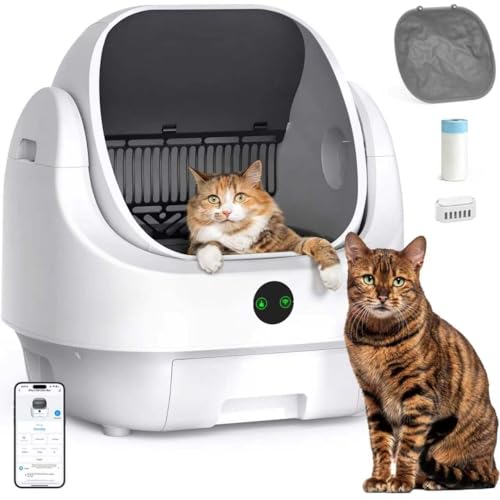

If you live with one cat, a standard litter box may work perfectly. But once you add a second feline, things get more complicated: fighting for space, tracking litter, and dealing with odor. The choice between a multi-cat vs single-cat litter box isn’t just about size; it’s about how each design handles daily use, privacy, and your cleaning routine. In this guide, we compare five litter boxes with different strengths, from high-sided open pans to enclosed self-cleaning units, so you can find the right fit for your home. If you are new to the world of cat products, check out our pet tech comparisons for more head-to-head reviews.



Buying Guide: Key Considerations for Multi-Cat vs Single-Cat Litter Boxes
Size and Capacity
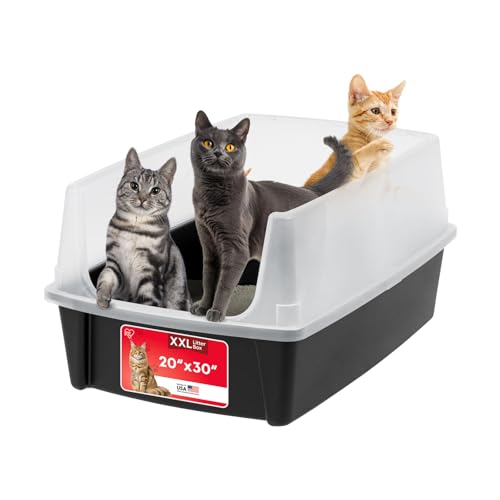
The most obvious difference is physical space. A single-cat box typically measures around 16 to 20 inches in length, while multi-cat models can be 25 inches or longer. For two or more cats, you need room for simultaneous use and enough depth to hold extra litter. A box that is too small can cause territorial disputes and messes outside the pan. For example, the IRIS USA XX-Large High Sided Cat Litter Box offers 30 inches of length, giving large cats and multiple users plenty of elbow room. If you have only one cat, a smaller box like the Idymere Stainless Steel High Sided Cat Litter Box may be enough.
Odor Control and Containment
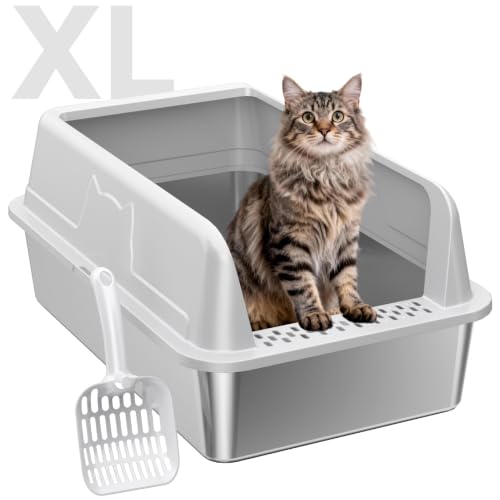
More cats mean more waste and stronger odors. Enclosed boxes with carbon filters (like the Amazon Basics Cat Litter Box with Lid, No-Mess) trap smells effectively but may require more frequent filter changes. Open high-sided options rely on airflow and daily scooping. For multi-cat homes, we recommend a box with odor-resistant materials, such as stainless steel, which does not absorb smells. The OneBug High-Sided Stainless Steel XL Cat Litter combines a non-porous surface with tall walls to keep both odors and scatter under control.
Ease of Cleaning
Every cat owner wants a fast cleanup. Plastic boxes can develop scratches that harbor bacteria and smells, whereas stainless steel pans are smooth and non-stick. For single-cat households, a basic open pan like the Idymere model wipes clean in seconds. In multi-cat homes, consider a self-cleaning unit like the CATLINK Self Cleaning Cat Litter Box Open-X. It automatically rakes waste into a sealed drawer, reducing your daily scooping to once every two weeks. That convenience comes with a higher upfront investment, but it saves hours each month. For more general advice on maintaining a clean litter area, visit our pet tech guides.
Material and Durability
Plastic is lightweight and affordable, but it can warp or retain odors over time. Stainless steel litter boxes resist rust, scratching, and staining, making them a long-lasting choice for both single and multi-cat environments. The OneBug High-Sided Stainless Steel XL Cat Litter even includes clips to secure the walls, a smart feature for active diggers. If you prefer a covered box, the Amazon Basics model uses durable plastic with a built-in handle for easy carrying. For households with multiple cats, we recommend choosing stainless steel or a high-quality plastic with a smooth finish to minimize odor retention.
Final Thoughts
Choosing between a multi-cat and single-cat litter box comes down to your cat count, cleaning habits, and budget. For homes with two or more felines, the IRIS USA XX-Large High Sided Cat Litter Box provides the generous space and high walls needed to reduce messes and territorial stress. If you prefer a fully enclosed solution with odor control for a multi-cat setup, the Amazon Basics Cat Litter Box with Lid, No-Mess is a practical choice that keeps litter contained and smells filtered. Single-cat owners will appreciate the easy-to-clean stainless steel pans, while those juggling multiple cats may eventually want the hands‑free convenience of the CATLINK self‑cleaning model. Whichever you pick, the right box makes life better for both you and your cats.
Related Guides
Frequently Asked Questions
Can I use a single-cat litter box for two cats?
Technically yes, but it is not recommended. A box designed for one cat is usually too small for two, leading to crowding, improper use, and more frequent cleaning. The general rule is one box per cat plus one extra, so for two cats you should have at least three boxes or one very large multi-cat model.
How often should I scoop a multi-cat litter box?
For multiple cats, scoop at least twice a day to keep odor and bacteria in check. With a self-cleaning model like the CATLINK Open-X, you can scoop daily or let the unit handle it for up to two weeks in 2026. The key is to remove clumps promptly to avoid ammonia buildup.
What size litter box is best for two cats?
Aim for at least 26 to 30 inches in length and 18 inches in width. High sides (10 inches or more) help prevent spray and scatter. The IRIS USA XX-Large and OneBug XL both offer those dimensions and are excellent choices for a two-cat household. For more tips on sizing, browse our comparisons page.
Is stainless steel or plastic better for a litter box?
Stainless steel is superior in durability and odor resistance. It does not absorb urine smells, is easier to clean thoroughly, and lasts much longer than plastic. Plastic boxes are cheaper but can develop scratches that trap bacteria. For multi-cat homes, stainless steel is a worthwhile investment.