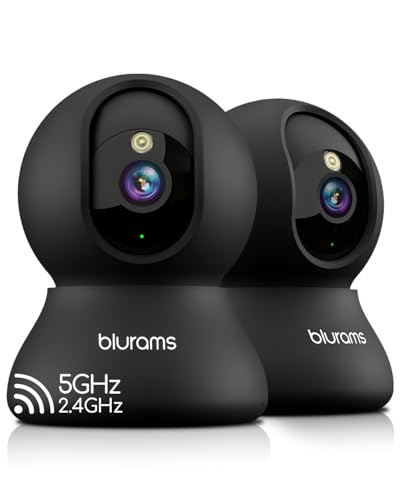

Picture this: you are at work, and your dog is home alone. You want to check in, but you also want to know what is happening in your backyard. That is the classic dilemma between an indoor pet camera and an outdoor pet camera. Each serves a different purpose, and choosing the right one can make all the difference in how you monitor your furry friend.
This guide breaks down the key differences between indoor and outdoor pet cameras, reviews three popular models, and gives you practical buying advice. Whether you are a new pet parent or a seasoned pro, this comparison will help you pick the right camera for your home. For more insights, check out our pet tech comparisons.


Buying Guide: Key Criteria for Choosing a Pet Camera
1. Indoor vs Outdoor Design: Weather Resistance and Mounting
The most obvious difference is where you place the camera. Indoor pet cameras are designed for stable, climate-controlled environments. They usually plug into a wall outlet and sit on a shelf or table. Outdoor models, on the other hand, need to withstand rain, dust, and temperature swings. Look for an IP65 rating or higher for outdoor use, as we see with the Tapo SolarCam C402 KIT.
If you plan to monitor your pet in the living room, an indoor camera like the Kasa 1080p Indoor Pan/Tilt is perfect. For a backyard or porch, you need a weatherproof option. Consider your specific monitoring area before making a choice.
2. Power Source: Wired vs Battery vs Solar
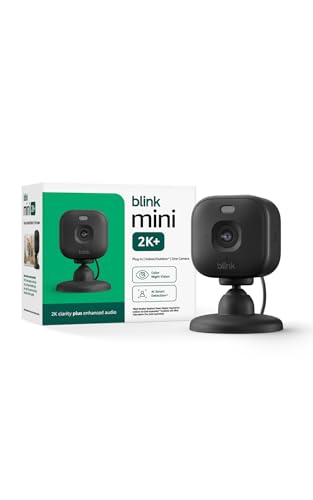
Indoor cameras are typically wired, which means they never run out of battery. The Blink Mini 2K+ and the Kasa EC70 both plug into an outlet, offering continuous power. Outdoor cameras often rely on batteries or solar panels, like the Tapo SolarCam C402 KIT, which uses solar energy to keep the battery topped up. This is a huge advantage for remote locations where running a power cord is not practical.
Think about how often you want to recharge or replace batteries. If you are okay with occasional charging, a battery-powered outdoor camera is fine. But if you want a set-and-forget solution, a wired indoor camera or a solar-powered outdoor unit is better.
3. Video Quality and Night Vision
High-resolution video is essential for spotting your pet’s behavior, whether it is chewing on furniture or sleeping peacefully. The Blink Mini 2K+ offers 2K resolution, which delivers sharper images than standard 1080p. Night vision is another critical feature, especially if you have a pet that is active at night. The Tapo SolarCam C402 KIT provides full-color night vision up to 30 feet, thanks to built-in spotlights, while the Kasa and Blink models use infrared for black-and-white night vision.
Consider your lighting conditions. If you have a dark backyard, full-color night vision is a game-changer. For indoor monitoring, standard infrared night vision is usually sufficient.
4. Storage and Subscription Costs
Pet cameras generate a lot of footage, so think about how you want to store it. The Kasa EC70 supports local microSD storage up to 256 GB, which means no monthly fees. The Blink Mini 2K+ offers a free 30-day trial of its subscription plan, but after that, you will need to pay for cloud storage. The Tapo SolarCam C402 KIT also supports microSD storage up to 512 GB, giving you more flexibility.
If you prefer to avoid recurring costs, choose a camera with local storage. If you want remote access to clips from anywhere, a cloud subscription might be worth it. Check out our pet tech guides for more tips on storage options.
Final Thoughts
Choosing between an indoor pet camera and an outdoor pet camera comes down to your specific needs. For indoor monitoring with pan/tilt and local storage, the Kasa 1080p Indoor Pan/Tilt Wired Security Camera is a reliable pick. For outdoor use with solar power and weather resistance, the Tapo 1080P Indoor Security Camera, Baby Monitor (which is actually the Tapo SolarCam C402 KIT, designed for both indoor and outdoor) offers great flexibility. Both are solid choices, so think about where you need coverage and what features matter most to you.
Related Guides
Frequently Asked Questions
Can I use an indoor pet camera outdoors?
Most indoor pet cameras are not weatherproof, so using them outdoors can damage them. If you want a camera that works both indoors and outdoors, look for one with an IP65 rating, like the Tapo SolarCam C402 KIT. Always check the manufacturer’s specifications before placing a camera outside.
Do pet cameras require a subscription?
Not necessarily. Many pet cameras offer local storage via a microSD card, which eliminates the need for a subscription. The Kasa EC70 supports local storage up to 256 GB, so you can avoid monthly fees. However, cloud storage plans may offer advanced features like person detection, which could be worth the cost for some users.
What is the best resolution for a pet camera in 2026?
For 2026, a resolution of at least 1080p is recommended, but 2K is becoming more common and offers clearer details. The Blink Mini 2K+ provides 2K video, which is excellent for seeing small movements. If you have a large area to monitor, higher resolution helps you zoom in without losing clarity.
Can I talk to my pet through the camera?
Yes, most pet cameras come with two-way audio, allowing you to speak to your pet and hear them respond. The Blink Mini 2K+ and the Kasa EC70 both support this feature, so you can comfort your pet from afar. This is a great way to reduce separation anxiety.