

If you share your home with multiple large cats, you know the struggle of finding a litter box that gives everyone enough room to move comfortably. Standard boxes feel cramped, leading to accidents and stress. That is why we evaluated the most spacious models on the market specifically designed for multi-cat households. In this guide, we compare four top-rated options that combine generous dimensions with smart features to make cleanup easier. Whether you need an automatic sifter or a simple open pan, you will find a solution that fits your cats and your lifestyle. For more insights on accommodating big felines, check out our review of best extra large multi-cat litter boxes for Maine Coon cats.



Buying Guide: What to Look for in a Spacious Multi-Cat Litter Box
Size and Entry Design
Large cats need room to turn around, dig, and position themselves without feeling trapped. Look for top-entry or open-top designs with dimensions over 16 inches in width and length. The entry height should be low enough for older or less agile cats, yet high enough to contain litter scatter. A spacious interior reduces territorial disputes and encourages regular use.
Safety Sensors and Automatic Cleaning
Automatic litter boxes are a game changer for multi-cat homes, but safety is paramount. Models with multiple infrared sensors and anti-pinch mechanisms ensure the cleaning cycle stops immediately if a cat enters. We prioritize units that use at least four sensors and do not rely solely on weight detection, as floors can vary. For a deeper look at safety features, see our guide on best multi-cat litter boxes for large breeds.
Waste Capacity and Maintenance
With multiple cats, a small waste bin means daily scooping. A capacity of 10 liters or more can stretch cleaning to every 7 to 10 days, even with two or three cats. Removable bins, disposable liners, and tool-free disassembly simplify upkeep. Odor control features like sealed lids and activated deodorizers are also valuable in high-traffic households.
Noise Level and Discretion
A quiet motor is essential when the litter box is in a living area or near bedrooms. Many automatic models operate at 32 to 35 decibels, which is barely audible. Cats are less likely to be startled, and you will not be disturbed during nighttime cleaning cycles. Look for units that advertise whisper-quiet operation for a peaceful home environment. For more on quiet models, visit our category page on self-cleaning litter boxes.
Final Thoughts
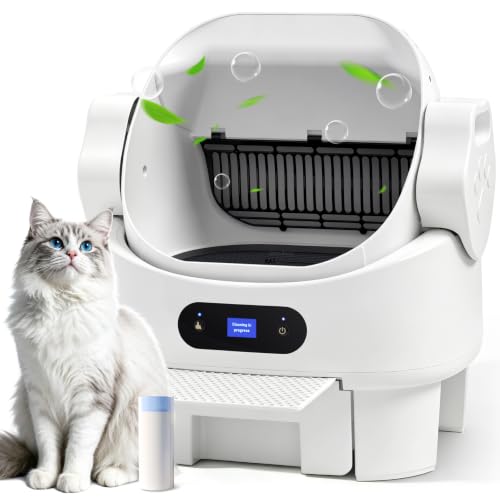
After evaluating these four options, we believe the Mimfam Automatic Self Cleaning Litter Box stands out for its generous top entry, robust sensor array, and large 10-liter waste bin that suits homes with multiple large cats. For those who prefer a simpler, budget-friendly solution without automation, the RIZZARI Cat Litter Box Anti-Scatter offers a spacious stainless steel pan that resists odors and contains mess effectively. Both products address the core needs of space and convenience, making them excellent choices for your multi-cat household.
Related Guides
Frequently Asked Questions
How big should a litter box be for multiple large cats?
For large cats, aim for a litter box with an interior width of at least 18 inches and length of 22 inches. Top-entry models often provide more usable space because cats can enter from above. The total volume should allow each cat to turn and dig without touching the sides. In 2026, many automatic boxes meet these requirements while adding self-cleaning benefits.
Are automatic litter boxes safe for multiple cats?
Yes, provided they have advanced safety sensors. Look for models with multiple infrared sensors that detect entry during the cleaning cycle and immediately stop. Some units also include hall sensors and motor current monitoring for extra protection. Always introduce the box gradually and monitor your cats during the first few uses. For additional tips, see our guide for cats over 20 pounds.
How often should I clean a multi-cat automatic litter box?
Most automatic boxes with a 10 to 12 liter waste bin need emptying every 7 to 10 days for a household with two cats. If you have three or more cats, you may need to empty it every 4 to 5 days. Regular visual checks help you adjust the schedule. The waste bin should be washed monthly to prevent odor buildup.
Can a top-entry litter box help with litter tracking?
Yes, top-entry designs significantly reduce litter scatter because cats must jump out through the top, allowing loose granules to fall back into the box. Many models also include a textured entry mat or sifting tray that catches remaining particles. This makes them ideal for multi-cat homes where tracking is a common frustration. For more on reducing mess, visit the multi-cat litter boxes category page.
