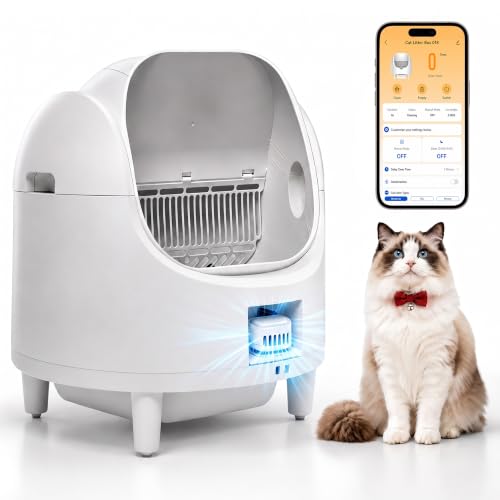

You watch your cat for subtle signs of illness: changes in appetite, energy, or litter box habits. But daily life gets busy. How do you know if a shift in bathroom frequency or stool consistency is just a fluke or a red flag? That’s where smart litter boxes with individual health tracking come in. These devices go beyond automatic scooping—they record each cat’s weight, visit frequency, and waste characteristics, then alert you to patterns that might signal urinary tract infections, kidney disease, or diabetes. In this guide, we’ve curated five top smart litter boxes designed specifically for monitoring the health of individual cats, whether you have one feline friend or a multi-cat household. If you’re also looking for models that excel at distinguishing between multiple pets, check out our roundup of best smart litter boxes with multiple cat profiles.


Buying Guide: What to Look for in a Smart Litter Box for Health Tracking
Individual Cat Recognition
The most critical feature for health tracking is the ability to identify each cat individually. Some models use weight sensors to match a cat’s profile, while others rely on AI cameras or RFID tags. For multi-cat homes, a system that can distinguish between up to 10 cats ensures that the data for your senior cat with kidney concerns isn’t mixed with your kitten’s normal habits. Learn more about litter boxes with cat identification that excel in this area.
Health Metrics Tracked
Look for devices that monitor weight, visit frequency, and waste consistency. Some advanced litter boxes use AI to analyze stool and urine, differentiating between #1 and #2, and flagging changes in texture or color. Weight tracking is essential for spotting unexplained loss or gain, while frequency alerts can catch early signs of conditions like diabetes or hyperthyroidism. For deeper insights into urine monitoring, see our top picks for AI urine monitoring.
App Integration and Alerts
A robust app is your window into your cat’s health. The best ones let you view historical trends, set baselines, and receive push notifications when something deviates from normal. Also consider whether the app supports multiple user profiles for families sharing monitoring duties. The smart litter boxes category is evolving fast, and app reliability varies, so read feedback on real-world performance.
Safety and Design
Since these devices run automatically, safety is paramount. Anti-pinch sensors, immediate stop mechanisms, and open-top designs reduce stress and injury risks. For health tracking, an open or semi-open design may be preferable to avoid cats feeling trapped, which can affect their elimination behavior. Also consider noise levels—quiet motors ensure tracking data isn’t skewed by a scared cat. Explore cat recognition litter boxes that prioritize safety without sacrificing monitoring accuracy.
Final Thoughts
After reviewing these five options, the choice largely depends on your budget and how detailed you want the health data to be. For cat owners seeking a balance of affordability and reliable individual weight monitoring, the Lohhuby Automatic Cat Litter Box Self Cleaning is a solid entry point with its app-based tracking. But if you’re ready for an all-in-one health hub with AI waste analysis and multi-cat recognition, the PETLIBRO Automatic Litter Box with AI-Camera Waste offers the most comprehensive insights. Both will help you stay one step ahead of your cat’s well-being.
Related Guides
Frequently Asked Questions
How do smart litter boxes track individual cat health?
They use sensors to record each cat’s weight and frequency of visits. More advanced models employ AI cameras to analyze waste consistency and even distinguish between urine and stool. The data is compiled into trends that highlight changes over time, which you can view in the accompanying app. For more on cat recognition technology, see our guide to individual cat tracking litter boxes.
Can a smart litter box help detect diseases like kidney disease or diabetes?
Yes. Changes in weight, urination frequency, and stool consistency are early indicators of many health conditions. Smart litter boxes can alert you to these shifts so you can consult your veterinarian promptly. They are not diagnostic tools but can be valuable early warning systems when used consistently.
Do these litter boxes work for multiple cats?
Most models in this review are designed for multi-cat households, with the capacity to recognize and track up to 10 cats individually. However, accuracy depends on the cat’s weight differences and the sensor technology. Models with AI cameras tend to be more reliable for distinguishing similar-sized cats.
Are there any subscription fees for health tracking features?
Some brands offer free basic tracking in their apps, while advanced features like video cloud storage or AI analysis may require a subscription. For example, the PETLIBRO Luma with AI analysis includes a 90-day trial. Always check the app details before purchasing to understand ongoing costs for the features you need.