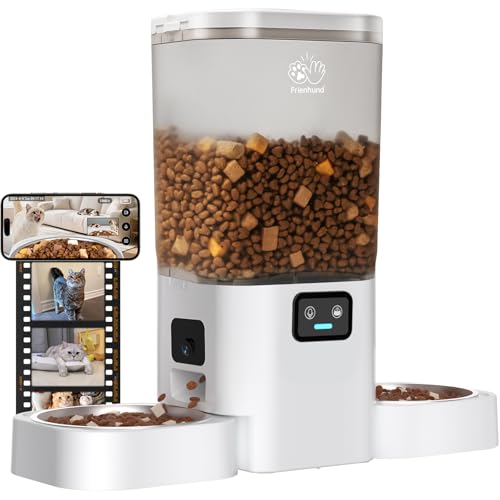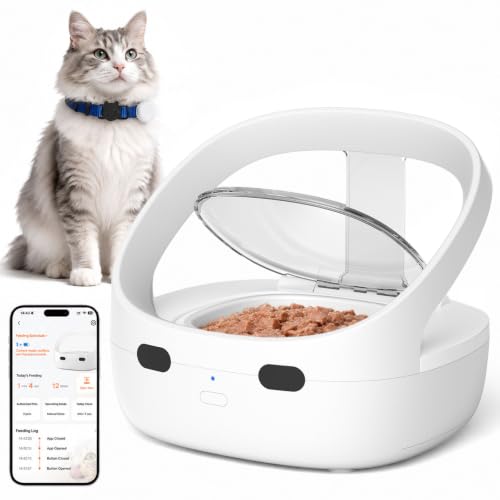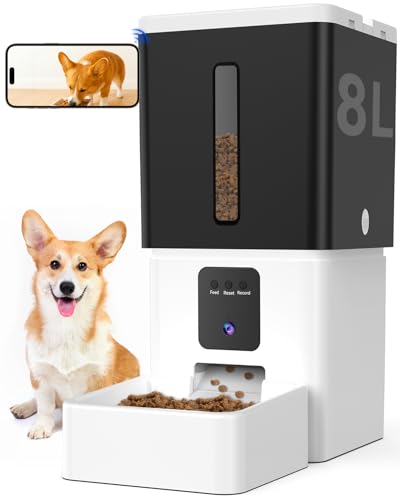

If you share your home with multiple cats or dogs, you know the chaos that can erupt at mealtime. One pet gobbles another’s food, a special diet gets sabotaged, or a shy animal misses out entirely. Activity tracking feeders solve this by recording exactly which pet ate, when, and for how long. In 2026, these smart devices go beyond simple scheduling: they use RFID collar tags, facial recognition, and even AI cameras to give you a detailed feeding log you can check from your phone. This guide covers five of the best multi-pet feeders with activity tracking, from budget-friendly options to feature-packed models that monitor every bite.
Whether you need portion control, anti-theft lids, or remote monitoring, we’ve evaluated each product for reliability and ease of use. Let’s explore which feeder fits your multi-pet household.
Product Comparison



Buying Guide: What to Look for in a Multi-Pet Feeder with Activity Tracking
Identification Method: RFID Tags vs. AI Recognition
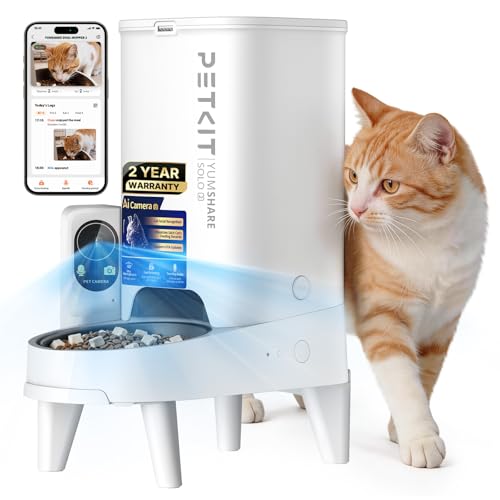
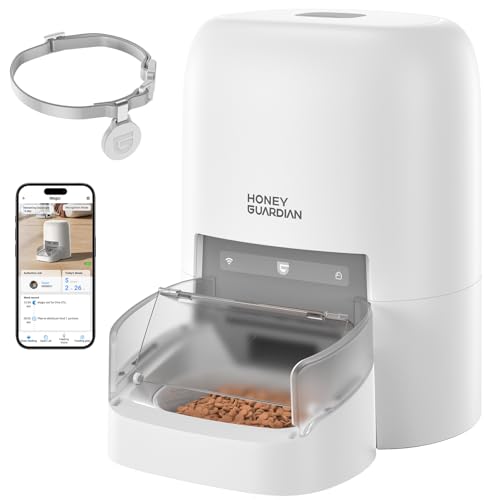
The core of activity tracking is identifying which pet is eating. Two main technologies dominate: RFID collar tags and AI-powered facial recognition. RFID feeders like the HoneyGuaridan and PETLIBRO models assign a lightweight tag to each pet; the feeder’s sensor detects the tag and unlocks only that pet’s bowl. This is reliable and works even in low light. AI recognition, such as the PETKIT Upgraded Multi-Cat Recognition feeder, uses a camera to identify pets by their face. It doesn’t require a collar tag, which is ideal for pets that dislike wearing accessories. However, AI can struggle in complete darkness without night vision.
For households with pets on strict medication or weight management diets, RFID is often more foolproof. For general tracking and the ability to see who ate, AI offers a richer data set. Check out our guide on best Multi-Pet feeders with pet recognition for more details on these technologies.
Activity Log and Remote Monitoring
True activity tracking means you can review feeding behavior later. Some feeders log only the time and duration of each meal, while others display video clips or photos of the pet at the bowl. The PETKIT feeder, for example, records before-and-after shots and captures short videos of each visit. PETLIBRO and HoneyGuaridan integrate with apps to show a timeline of meals per pet. If you want to know not just what was eaten but how enthusiastically, a camera feeder is worth the investment.
Remote monitoring also ties into food alerts. For feeders that track food levels and send notifications, read our review of best multi-pet feeders with food alerts.
Number of Pets Supported and Scalability
Before you buy, check how many pets the feeder can track. PETKIT’s AI system supports up to 15 pets, perfect for large colonies. RFID feeders typically come with one or two tags, but you can purchase extra tags (if the brand allows) to accommodate more animals. The HotSoul RFID feeder ships with two tags, while PETLIBRO includes only one. If you have three or more cats, ensure the feeder can pair multiple tags, or look for a model with expandable tag support. For homes with both cats and dogs, some feeders work with either species as long as they’re wearing a tag.
Consider that some feeders use the same bowl for all pets; activity tracking only logs visits by tag or face. If you need separate bowls, multiple feeders might be necessary. That’s where AI multi-pet feeders offer a more integrated solution.
Additional Smart Features: Wi-Fi, Voice, and Freshness
Activity tracking is just one piece of the puzzle. Look for dual-band Wi-Fi (2.4GHz and 5GHz) for reliable app connections, especially if your router uses 5GHz. Voice recording lets you call pets to their bowls, handy for timed feeding. Freshness matters too: airtight seals, desiccant packs, and stainless steel bowls keep food crunchy and hygienic. The MUBBI feeder, though not RFID, includes an elevated stand and anti-jam rotor, which is great for multiple pets that eat together. For a full list of connected feeders, see our smart Wi-Fi feeders category.
Final Thoughts
After reviewing these five multi-pet feeders with activity tracking, our top recommendation for most households is the PETKIT Upgraded Multi-Cat Recognition Automatic for its AI camera that captures video logs and recognizes up to 15 pets without collars. If you prefer the simplicity and proven reliability of RFID tags, the PETLIBRO RFID Automatic Cat Feeder offers excellent diet tracking and a sealed freshness system that rivals pricier models. Both provide the detailed feeding data you need to keep every pet healthy and happy.
Related Guides
- Best Multi-Pet Feeders with AI Recognition
- Multi Pet Feeder vs Single Pet Feeder
- Smart Feeder vs Microchip Feeder
Frequently Asked Questions
Can I use these feeders for both cats and dogs?
Yes, most multi-pet feeders with activity tracking work with both cats and dogs, as long as the pet is small enough to access the bowl comfortably. The MUBBI feeder is specifically designed for small to medium dogs with its elevated stand, while RFID and AI feeders are primarily marketed for cats but can be used with small dogs. Always check the bowl height and capacity for your larger pets.
Do I need Wi-Fi for activity tracking to work?
Most advanced activity tracking features require a Wi-Fi connection to sync feeding logs to the app. The PETKIT and PETLIBRO models rely on Wi-Fi for remote viewing and timeline access. However, feeders like the HotSoul RFID model store basic log data locally on the device and display it on an LCD screen; you can review feeding times without Wi-Fi. For full real-time tracking, a stable internet connection is recommended.
Can I use my own collar tags with RFID feeders?
Generally, no. RFID feeders from HoneyGuaridan, PETLIBRO, and HotSoul use proprietary tags that are paired to the specific feeder. You must use the included tags or purchase official replacements from the brand. Attempting to use third-party tags will not work. If you need to track more pets than tags provided, check whether the brand sells extra tag sets.
How does activity tracking help with weight management?
By recording which pet ate, when, and for how long, you can identify patterns like overeating or skipping meals. Some feeders also log bowl weight or use portion control. Over time, the app data helps you adjust feeding schedules for each pet. For a deeper dive into smart feeding strategies, read our article on multi-pet feeders with remote monitoring.