
You love your Litter-Robot for its self-cleaning convenience, but finding the right waste bag can be surprisingly tricky. A bag that triggers a false “full” alert, tears under the weight of clumps, or lets odors seep through defeats the purpose of an automated system. In 2026, the market is full of compatible liners for Models 3, 4, and 5, but not all deliver on sensor accuracy, durability, and ease of use. This guide evaluates five top contenders to help you choose the best Litter-Robot waste bags for your home.
Whether you have a single cat or a multi-cat household, the right bag keeps your robot running smoothly and your space fresh. We have assessed each product for tear resistance, leak prevention, and how well they work with the robot’s sensors. For more on keeping your self-cleaning box in top shape, check our guide on automatic litter box replacement drums.



Buying Guide for Litter-Robot Waste Bags
Sensor Compatibility: Transparency and Calibration
The Litter-Robot’s waste drawer uses optical sensors to detect when it is full. If a bag is too opaque or reflective, it can trick the sensor into showing “full” immediately after installation. Look for translucent liners that allow the sensor to read the waste level accurately. Many brands now design their bags with a specific translucency to avoid false alerts. If you encounter an error after installing a new bag, running a sensor calibration usually resolves it.
For a deeper look at sensor-related issues, read our article on robot litter box replacement sensors.
Durability and Leak Proofing
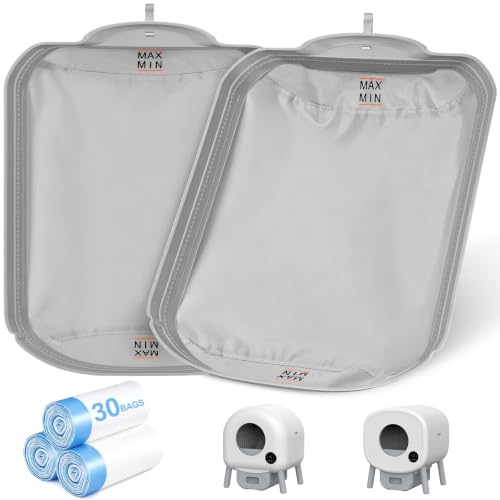
Cat waste can be heavy, especially with multiple cats. A bag that tears under the weight creates a messy cleanup. Premium liners use high-density materials like LDPE with double-sealed side seams to resist punctures and prevent leaks. Odor control is another factor—thicker materials block urine seepage and keep smells contained until you empty the drawer. Avoid flimsy bags that feel thin to the touch; they are more likely to fail.
Ease of Use: Pre-Separated and Drawstring Designs
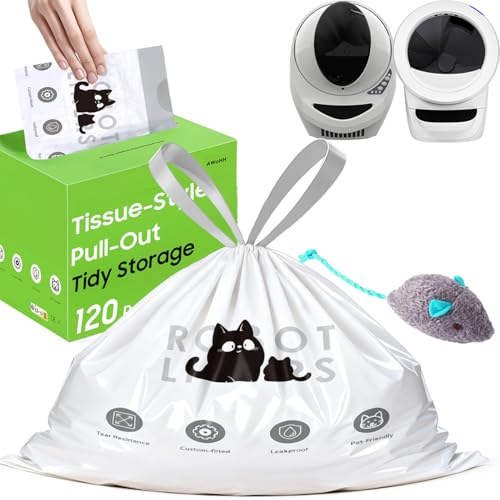
Changing a waste bag should be quick and hands-free. Pre-separated rolls let you pull out one liner without tearing—no scissors needed. Drawstring closures are a game-changer: simply pull the strings to seal the bag without touching waste. For Litter-Robot Models 3 and 4, installation varies slightly—Model 4 requires folding the edges over the drawer rim, while Model 3 uses tabs. Choose a bag that matches your model’s installation method.
If you are upgrading your Litter-Robot accessories, you might also be interested in automatic litter box replacement covers to keep the unit fresh.
Value and Quantity for Your Household
Waste bags are a recurring expense, so consider how many you need per month. A single-cat household may change the bag every 3 to 7 days, while multi-cat homes need more frequent swaps. Packs range from 40 to 150 bags. Larger bundles cost less per bag and reduce the frequency of reordering. Some brands offer compact box packaging that stores neatly near the litter box, making grab-and-go changes effortless.
For more advice on keeping your robot litter box efficient, visit our Litter Box Accessories category.
Final Thoughts
After evaluating these five products, we recommend the 90 Pack Cat Litter Box Robot Model 5/4/3 Waste from AWoHH for its excellent sensor compatibility, pre-separated design, and thick material that holds up to 22 pounds. It is ideal for owners who want a reliable, no-fuss bag that works seamlessly with Models 3, 4, and 5. For those on a tighter budget or with a single cat, the ANWA 40 Count Automatic Litter Box Bags offers a solid drawstring design and heavy-duty construction at an accessible price point. Both products deliver the durability and convenience your Litter-Robot deserves.
Related Guides
Frequently Asked Questions
Are Litter-Robot waste bags universal across all models?
Not all bags fit every model. Most third-party liners are designed for Models 3, 4, and 5, but installation differs. For Model 4, you fold the edges over the drawer rim; for Model 3, you tuck them into tabs. Always check the product description to confirm compatibility with your specific Litter-Robot version.
How do I prevent the Litter-Robot from showing “full” right after installing a new bag?
This is usually a sensor calibration issue. After installing a new bag, run a sensor calibration cycle (refer to your robot’s manual). Many modern bags are designed with optimal translucency to avoid this problem. If it persists, try a different brand. For more troubleshooting, see our Robot Litter Boxes guide.
Can I use regular kitchen trash bags in my Litter-Robot?
It is not recommended. Regular trash bags often block the sensors, causing false “full” alerts. They also lack the proper size and drawstring design for a secure fit. Using incompatible bags can lead to leaks, odors, and potential damage to the robot’s sensor mechanism. Stick to bags specifically made for Litter-Robot models.
How often should I change the waste bag?
Frequency depends on the number of cats and the robot’s cycle count. With one cat, you typically change the bag every 5 to 7 days. For two or more cats, every 2 to 4 days is common. The robot will alert you when the drawer is full. In 2026, many owners find that using a high-capacity bag (9 to 11 gallons) extends the time between changes.