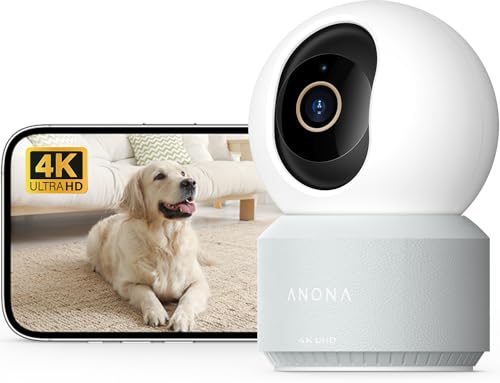

When your dog roams the house after sunset, you want to know they are safe and happy, not just a shadow passing through a dark room. Standard cameras often struggle with low light, leaving you with grainy or black-and-white footage. That is where dog cameras with low-light detection come in. They use advanced sensors, infrared LEDs, or built-in spotlights to deliver clear, detailed video even in near-total darkness. This guide walks you through the top four models that excel at nighttime monitoring, so you can pick the perfect camera for your pup.
Whether you need to check on a nervous puppy, keep tabs on an older dog who moves around at night, or just want peace of mind while you are away, these cameras offer reliable performance after dark. For more insights on how night recording can benefit your pet, explore our best pet cameras with clear night video guide.


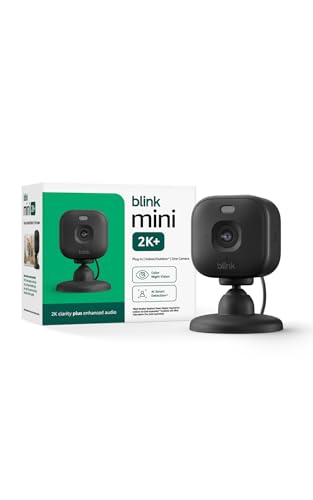

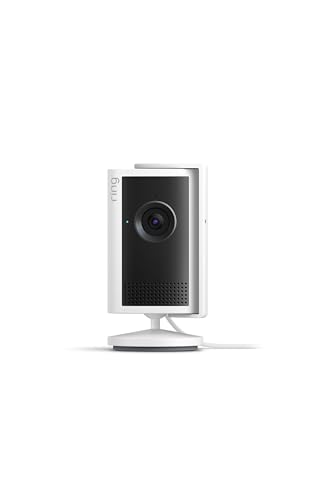

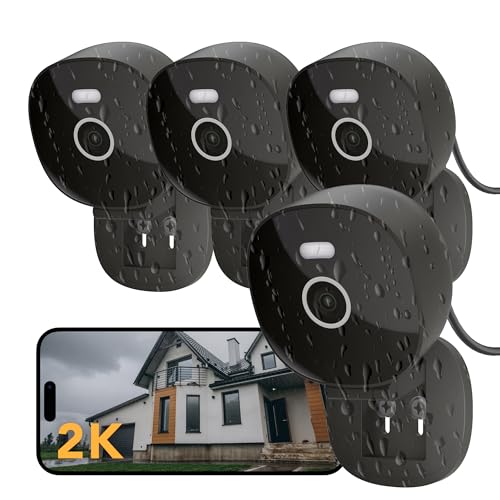
Buying Guide
Night Vision Quality and Color vs. Black-and-White
The core of low-light detection is how the camera captures images after dark. Some models use infrared (IR) LEDs to produce grayscale footage, which is simple and effective. Others, like those with built-in white lights, can switch to full-color night vision. Color night vision helps you identify your dog s coat, any objects they might be near, or even unusual behavior more easily. Also consider the range of night vision, typically measured in feet, so the camera covers the area where your dog spends time.
Look for specifications like “color night vision” or “starlight sensor.” A camera with a low-light rated lens and a larger aperture will gather more light, reducing noise. If you prioritize seeing every detail in color, choose a model that activates a white light or has a dedicated color night mode. For a broader look at nighttime options, our best pet cameras with night recording list covers more models.
Motion Detection and Smart Alerts
A camera that records only when something moves saves storage and battery life, but you want those alerts to be smart and precise. Look for adjustable motion sensitivity and the ability to set activity zones so you do not get notifications every time a curtain flutters. Some cameras offer human, pet, or sound detection, which can distinguish between your dog pacing and a delivery truck outside. Instant push notifications to your phone let you check in immediately if your dog is active at night, giving you peace of mind.
Smart alerts paired with two-way audio allow you to speak to your pet, which can calm them if they are restless. The more customizable the detection system, the fewer false alarms you deal with. If you want advanced AI detection, some models even include a siren that you can trigger remotely to deter an intruder or redirect your dog attention.
Video Resolution and Field of View
Higher resolution means sharper detail, which is especially valuable in low light. Look for at least 1080p, but 2K or higher will give you more clarity when zooming in. A wide field of view (at least 110 degrees) helps cover more of the room, so you see your dog from multiple angles. Some cameras also offer pan, tilt, and zoom features, letting you follow your pet around the space. Better resolution plus good low-light performance means you can identify if your dog is chewing something they should not or if they are simply resting on their bed.
When evaluating resolution, consider the size of the room. In a large living area, a 2K camera with a 130-degree view will capture more detail at the edges. For smaller spaces like a bedroom, 1080p with a moderate field of view may suffice. Always check if the camera maintains its rated resolution in night mode, as some models downscale to reduce noise.
Storage and Subscription Options
Recording clips of your dog nighttime activity is useful for monitoring behavior or reviewing events. Most cameras offer local storage via a microSD card (sold separately) or cloud storage with a subscription. Local storage is a one-time cost with no recurring fees, while cloud storage provides off-site backups and often longer clip history. Some subscriptions include smart features like person detection or custom activity zones. Consider how much you value continuous cloud recording versus simple event-based clips saved on a card.
If you prefer no monthly fees, choose a camera with a large local storage capacity (up to 512GB). For tech-savvy users, certain models allow integration with home automation systems like Alexa or Google Home, enabling voice commands or routines. For more on the latest smart dog camera features, read our smart dog camera reviews.
Final Thoughts
Choosing the best dog camera with low-light detection ultimately depends on your home layout and your dog nightly habits. If you value clear color night vision and smart alerts, the VIMTAG 2.5K Cameras for Home Security offers 2.5K resolution with a built-in white light that turns on in darkness, plus AI detection for humans, motion, and sound. On the other hand, if you want a compact, budget-friendly option with reliable 2K video and improved audio, the Blink Mini 2K+ (newest model) is a strong choice, especially as it can also serve as a doorbell chime. Both cameras excel at letting you see what your dog is doing at night, ensuring you never miss a moment, no matter the time.
Related Guides
Frequently Asked Questions
How does a dog camera with low-light detection work?
These cameras use larger image sensors, wide apertures, or infrared LEDs to capture light in dark environments. Some also have built-in white lights to switch to full-color mode when motion is detected. The result is a clear, detailed video stream even in near-total darkness, so you can see your pet moving around at night.
What is the difference between black-and-white and color night vision?
Black-and-white (grayscale) night vision uses infrared LEDs that illuminate the scene without visible light, which is less disturbing to pets. Color night vision uses a built-in white light or a starlight sensor to capture color imagery even in low light. Color can help you identify objects or your dog s coat more easily, but it may attract more attention from the pet.
Do I need a subscription for a dog camera with low-light detection?
No, not necessarily. Many cameras offer local storage via a microSD card for free, so you can save clips without a subscription. Some models also provide basic alerts without fees. However, cloud subscriptions often unlock advanced features like person detection, longer clip history, and continuous cloud recording. Check what is included for your chosen model before buying.
Can I use a dog camera outdoors for low-light monitoring?
Yes, but only if the camera is rated for outdoor use, such as IP65 or IP66 weather resistance. Some indoor models can be used outdoors with a weather-resistant power adapter. For outdoor monitoring, consider a dedicated outdoor camera with robust night vision, a siren, and spotlight capabilities. If your dog spends time in a yard or patio, these features are more durable.