

You are at your desk, but your mind is at home with your furry friend. Is your dog sleeping peacefully, or are they pacing by the door? Are they chewing on something they should not? A dog camera designed for workday monitoring can give you that much-needed peace of mind. In this guide, we review five of the best dog cameras for keeping an eye on your pup while you earn a living. Whether you need crystal-clear 4K video, smart AI alerts, or a budget-friendly option, we have you covered. For more options, explore our full range of dog cameras.



Buying Guide: What to Look for in a Dog Camera for Workday Monitoring
Resolution and Image Quality
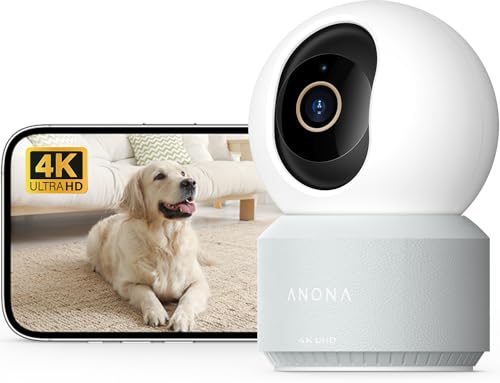
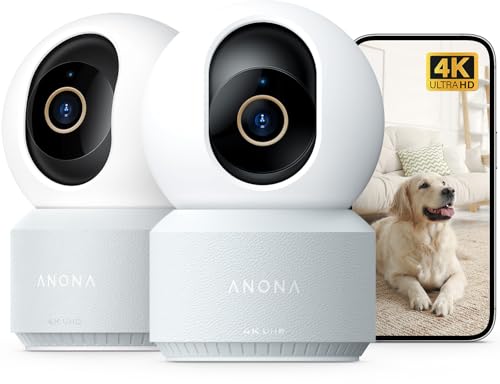
When you are away, you want to see every detail of your dog’s behavior. A camera with at least 2K resolution provides sharp, clear video that lets you notice if your dog is panting heavily, playing with a toy, or getting into trouble. For the best clarity, consider a 4K UHD model like the Anona Pano 4K, which offers eight times zoom without losing detail. Even in low light, good night vision ensures you can check on your pet after dark.
Pan, Tilt, and Coverage
A fixed camera might miss your dog if they move to another part of the room. Look for a camera with motorized pan and tilt, allowing you to remotely scan the entire space. Models like the Tapo 2K Pan Tilt offer 360-degree horizontal and 114-degree vertical movement, so you can follow your pup wherever they roam. Auto-tracking is a bonus feature that automatically follows moving objects, ensuring your dog stays in frame.
Smart Detection and Alerts
Not all motion is equal. A dog camera with AI detection can distinguish between a person, a pet, and even a baby crying. This means you receive only relevant notifications, not false alarms from a swaying curtain. The Anona cameras and Tapo models include person, pet, and crying detection, letting you know exactly what is happening at home. For more on this technology, check out our AI pet cameras category.
Storage Options and Security
You will want to review footage after work or save clips of funny moments. Most cameras offer both local storage via a microSD card (up to 512 GB) and cloud storage with encryption. Cloud plans often include a free trial, while local storage gives you one-time cost control. Choose a camera that supports the storage method that fits your needs. For cameras that work seamlessly with smartphone apps, see our pet cameras with app selection.
Final Thoughts
Choosing the best dog camera for workday monitoring comes down to your priorities. If you want the highest resolution and advanced AI features, the Anona Pano 4K UHD Indoor Camera delivers stunning detail and smart alerts that let you know exactly what your dog is up to. For a budget-friendly yet capable option that still offers 2K video and two-way audio, the Cinnado 2K Security Camera Indoor for Pet/Dog/Baby is a fantastic choice. Both will help you stay connected to your furry friend throughout the workday.
Related Guides
Frequently Asked Questions
Can I talk to my dog through a dog camera?
Yes, most dog cameras come with built-in two-way audio, allowing you to speak to your pet and hear them respond. This feature is great for calming anxious dogs or issuing a quick command. For a deeper look, read our guide on best pet cameras with app and two-way audio.
Do dog cameras work without Wi-Fi?
Most indoor dog cameras require a stable Wi-Fi connection to stream video to your phone. Some models offer local recording to a microSD card even if the internet is down, but live remote viewing will not be available. Always check the camera’s specifications before purchasing.
How much storage do I need for a dog camera?
Storage needs vary based on how much footage you want to keep. A 64 GB microSD card can hold several days of continuous recording, while cloud storage plans often offer 30-day histories. If you only want to save motion-triggered clips, even a 32 GB card may suffice. Consider your review habits and choose accordingly.
Are dog cameras secure from hackers?
Reputable brands use encryption (such as AES-128) for both cloud and local storage, and they require secure login credentials. Always update your camera’s firmware and use a strong Wi-Fi password. Avoid using default usernames and passwords. With these precautions, your camera feed remains private.


