
If you share your home with multiple cats or dogs, you know the struggle of keeping tabs on each pet’s eating habits, activity levels, and well-being when you are away. Standard pet cameras capture motion, but they cannot tell your shy tabby from your food-stealing beagle. That is where AI pet cameras with individual pet recognition come in. These smart devices use facial recognition, body scans, or behavioral algorithms to identify each pet by name, offering personalized feeding schedules, activity summaries, and tailored alerts. In this guide, we evaluate the best models for 2026 to help you choose the perfect monitor for your multi-pet household. For a broader look at the category, check out our AI pet camera reviews.

![PETLIBRO AI Dog Camera Pet Camera Indoor with Phone App [Multi-Pet Recognition, Daily Activity Analysis & Smart Summaries] Cat Cam 360° View, 1080P Dog Cam Night Vision, 2-Way Audio Home Camera WiFi](https://m.media-amazon.com/images/I/41IMHbgIAkL._SL500_.jpg "PETLIBRO AI Dog Camera Pet Camera Indoor with Phone App [Multi-Pet Recognition, Daily Activity Analysis & Smart Summaries] Cat Cam 360° View, 1080P Dog Cam Night Vision, 2-Way Audio Home Camera WiFi")


Buying Guide: What to Look for in an AI Pet Camera with Individual Recognition
Multi-Pet Recognition Accuracy
The core feature of these cameras is their ability to distinguish between multiple pets. Look for models that use AI facial recognition (like the Papapaw feeder) or full-body identification (like PETLIBRO and Sirwu). The best systems can identify up to 10 animals and label their activities individually. This accuracy prevents confusion when you review daily clips or set feeding rules. For more on how this technology works, read our Best Pet Cameras with Pet Recognition in 2026 guide.
Camera Quality and Night Vision
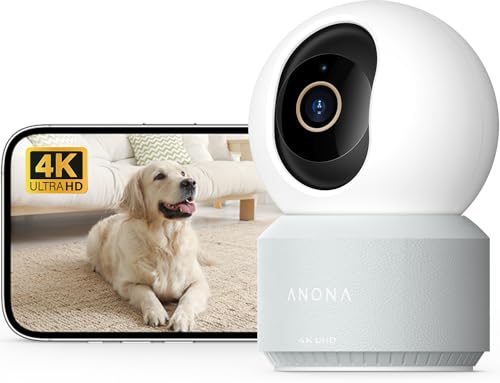
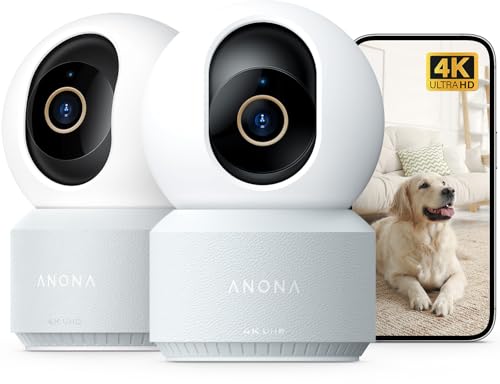
Clear video is essential for identifying pets and monitoring behavior. Cameras with 1080p resolution are standard, but some models like the Anona offer 4K UHD for sharper details. Night vision capabilities vary from basic infrared to advanced low-light sensors. If you need to check on your pets after dark, choose a camera with reliable night vision that does not wash out colors or create blind spots.
Smart Features and AI Summaries
Beyond recognition, look for cameras that generate daily activity summaries, highlight reels, and behavioral insights. These features save you from scrolling through hours of footage. For example, the PETLIBRO AI Dog Camera creates smart recaps that read like your pet’s personal tweets, while the Sirwu camera organizes clips by pet name. Auto-tracking and human detection add security value. For a deeper dive into auto-tracking, see our The Best Pet Cameras with Auto Tracking for 2026 article.
Ease of Use and App Integration
A user-friendly app makes all the difference. You should be able to set up individual profiles, adjust feeding schedules, receive real-time alerts, and view clips effortlessly. Cameras with dual-band WiFi (2.4 and 5GHz) ensure stable streaming. Some models offer cloud storage plans with affordable per-camera pricing, like Sirwu’s Surround plan covering up to five cameras. For more on app-controlled cameras, visit our Pet Cameras with App category page.
Final Thoughts
Choosing the right AI pet camera with individual recognition comes down to your household’s specific needs. If you have multiple cats and want to prevent food stealing while tracking each one’s meals, the Papapaw Automatic Cat Feeder with AI Facial offers an all-in-one solution with facial recognition for up to ten cats. For a versatile indoor camera that identifies both cats and dogs, provides daily activity summaries, and stays budget-friendly, the PETLIBRO AI Dog Camera Pet Camera Indoor is a top contender. Both models represent the best of what 2026 has to offer in smart pet monitoring.
Related Guides
Frequently Asked Questions
Can AI pet cameras recognize multiple pets at the same time?
Yes, many models like the Papapaw feeder and PETLIBRO cameras can identify up to 10 or 5 pets individually. They use AI algorithms trained on pet faces or body shapes to distinguish each animal, even when they appear in the same frame.
Do these cameras work without a subscription?
Most cameras offer basic features like live view and motion alerts for free. Premium features such as individual pet recognition, daily summaries, and cloud storage often require a subscription. For example, Sirwu’s AI summaries start at $6.66 per month, while PETLIBRO includes many smart features without an extra fee. Check each brand’s pricing for 2026.
How does individual pet recognition improve feeding routines?
With a camera or feeder that recognizes each pet, you can set separate portion sizes and feeding times for each animal. The device will only dispense food when the correct pet approaches, preventing dominant pets from stealing meals. This is especially helpful for multi-pet homes with dietary restrictions or weight management goals.
What is the difference between facial recognition and microchip recognition?
Facial recognition uses AI to identify your pet by their unique face or body, requiring no accessories. Microchip recognition requires a microchip implant or a collar tag, which can be lost or cause discomfort. Facial recognition is more convenient for pets that hate wearing collars, though it may be less reliable in low light or if the pet’s face is obscured.