
Picture this: you rush out the door for work, worried your cat will go hungry or overeat while you’re away. The choice between an automatic feeder and a timed feeder can make all the difference in your pet’s health and your peace of mind. In this guide, we evaluate the PETLIBRO Automatic Cat Feeder against traditional timed feeders to help you decide. Whether you have a kitten, a senior dog, or a finicky feline, understanding the pros and cons of each type will ensure your furry friend gets the right meals on schedule.

Buying Guide
Scheduling Flexibility
A key difference between automatic and timed feeders is how often you can schedule meals. Timed feeders typically allow one to two meals per day, which might work for dogs but often falls short for cats that need smaller, more frequent portions. The PETLIBRO Automatic Cat Feeder lets you set up to 10 meals per day, each with 1 to 48 portions. This level of customization means you can mimic a natural grazing pattern without overfeeding.
If your pet requires medication or multiple small meals, an automatic feeder with granular scheduling is the smarter choice. For pets that only eat once or twice daily, a simple timed feeder may suffice. Think about your daily routine and your pet’s needs before deciding.
Connectivity and Control
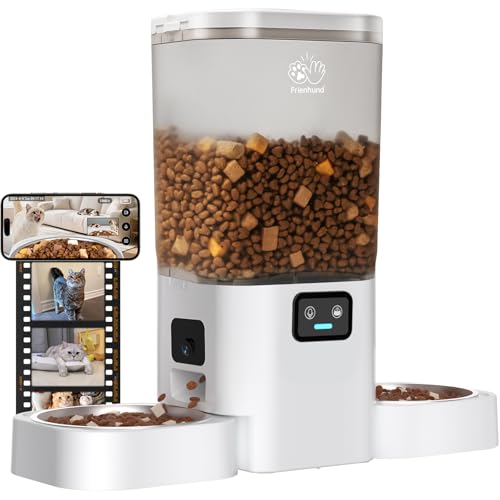
Modern automatic feeders like the PETLIBRO offer Wi-Fi connectivity, allowing you to control feeding times remotely via a smartphone app. This feature is invaluable when your schedule changes unexpectedly or you need to adjust portions while traveling. Timed feeders lack this ability, relying on mechanical timers that can drift over time.
With the PETLIBRO app, you can monitor feeding history, receive low-food alerts, and even record a 10-second voice call to announce mealtime. For pet owners who value convenience and peace of mind, a smart automatic feeder is a significant upgrade. If you prefer simplicity and don’t need remote access, a timed feeder remains a budget-friendly option.
Freshness and Food Preservation
Keeping kibble fresh is crucial for both taste and nutrition. Timed feeders often have open bins that expose food to air, leading to staleness. The PETLIBRO Automatic Cat Feeder features a twist-lock lid, a built-in desiccant bag, and a sealing strip to maintain crunchiness. Its patent-pending rotor prevents sneaky pets from accessing extra food.
Additionally, the stainless steel bowl is food-grade and easy to clean, reducing the risk of chin acne. If you live in a humid environment or have a picky eater, the freshness mechanisms of an automatic feeder are worth the extra investment. For short-term use with dry food, a basic timed feeder may still work, but expect faster spoilage.
Portion Accuracy and Customization
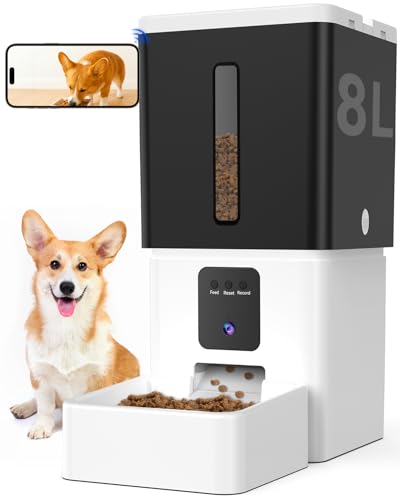
Precise portion control is vital for weight management. Timed feeders often dispense a fixed amount, which may not suit pets with dietary restrictions. The PETLIBRO feeder allows you to adjust portions from 1 to 48 servings per meal (1/12 cup each), giving you fine control over daily intake. Its infrared sensor also stops dispensing if the outlet is blocked, preventing jams.
For pets on a strict diet, this accuracy ensures they get exactly what their veterinarian recommends. Standard timed feeders are less reliable, especially as batteries weaken or mechanisms age. Choose an automatic feeder with adjustable portions for the best long-term health outcomes.
Final Thoughts
After evaluating the features of automatic versus timed feeders, the PETLIBRO Automatic Cat Feeder stands out for its scheduling flexibility, smart connectivity, and food preservation. While a basic timed feeder may satisfy simple needs, this model offers the customization and peace of mind that modern pet owners require. Whether you have a busy lifestyle or a pet with specific dietary needs, investing in a reliable automatic feeder like the PETLIBRO ensures your companion gets timely, fresh meals every day.
Related Guides
- Automatic Feeder vs Gravity Feeder
- Automatic Feeder vs Manual Feeder
- Top Pet Feeders with Camera Food Tracking for 2026: Verified Reviews
Frequently Asked Questions
Can I use an automatic feeder for wet food?
Most automatic feeders are designed for dry kibble only. The PETLIBRO model, with its sealed lid and desiccant bag, is optimized for dry food to maintain freshness. For wet food, consider a chilled automatic feeder or stick to manual feeding to avoid spoilage.
How often should I clean an automatic feeder?
Clean the bowl and inner components every two weeks to prevent bacterial buildup. The PETLIBRO’s stainless steel bowl is dishwasher safe, making hygiene easy. Regular cleaning also prolongs the feeder’s life and keeps food fresh.
Do automatic feeders work for multiple pets?
Yes, but you may need a feeder that allows individual portion settings. The PETLIBRO lets you schedule up to 10 meals per day, which can cover multiple pets if they eat at the same bowl. For separate feeding, consider multiple units or a microchip-based feeder. Check our pet tech guides for more tips on multi-pet households.
What happens if the power goes out?
The PETLIBRO Automatic Cat Feeder can run on battery backup, so feeding schedules continue even during a power outage. Its low-battery indicator and infrared sensor ensure reliable operation. Always have backup batteries ready for peace of mind during emergencies.