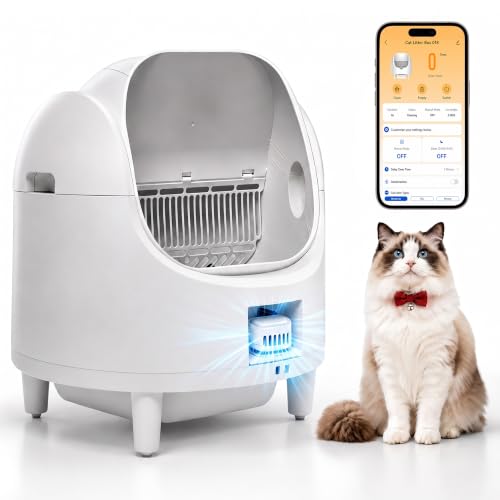

If you share your home with a small cat or a kitten, you know that standard litter boxes can feel like an obstacle course. Petite felines often struggle with high walls, heavy lids, and oversized cleaning mechanisms. That’s why we’ve curated a list of smart litter boxes designed specifically with smaller cats in mind. These models feature open-top designs, low entry points, multi-sensor safety systems, and convenient app controls. In this guide, we’ll walk you through the top choices for 2026 and explain what to look for when shopping for an automatic litter box for your compact companion. For a broader overview of the category, check out our best smart litter boxes.

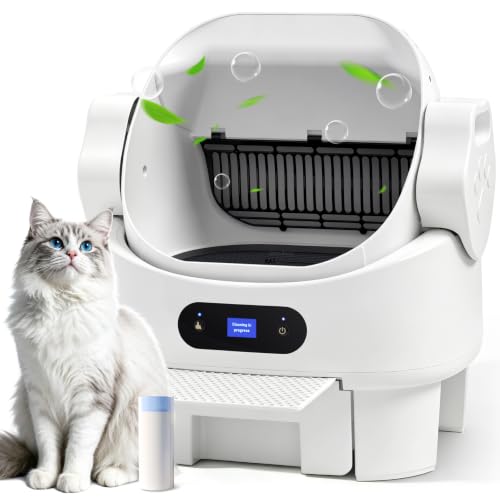


Buying Guide: What to Look for in a Smart Litter Box for Small Cats
1. Size and Entry Height
The most critical factor for a small cat is the height of the entrance and the overall footprint. A low entry (under 6 inches) makes it easy for kittens and petite adults to step in without jumping. Models like the HHOLOVE Self Cleaning Litter Box offer a low entry design that accommodates cats as light as 3.3 pounds. Always measure your cat’s shoulder height before purchasing.
2. Safety Sensors and Anti-Pinch Protection
Small cats are curious and may investigate the cleaning mechanism. Look for boxes with multiple sensors that stop the cycle if a cat approaches. Infrared, microwave radar, and Hall sensors are common. The OneBug Self Cleaning Open Top Automatic Multiple uses multi-layer protection for added peace of mind. This is especially important for nervous cats; see our guide on quiet and open-top picks for anxious cats.
3. Open-Top vs. Enclosed Design
Open-top litter boxes are generally preferred by small cats because they offer a clear escape route and reduce feelings of confinement. Open designs also make it easier to monitor your cat’s bathroom habits. The Lohhuby Automatic Cat Litter Box Self Cleaning features an open-top that gives small cats ample space. For apartment dwellers, our roundup of space-saving smart litter boxes can help you find a compact fit.
4. App Control and Health Monitoring
An app lets you schedule cleanings, adjust settings, and receive alerts about your cat’s litter box visits. This is valuable for tracking the health of a small cat, as changes in frequency can signal issues. Models like the Cumrige and HHOLOVE offer Tuya Smart app integration. However, some cats prefer simpler boxes without Wi-Fi; the RPZ Self Cleaning Litter Box requires no app and still provides reliable automatic cleaning. If your cat is picky, read our top picks for fussy felines.
Final Thoughts
After evaluating the market, we recommend two standout options for small cats in 2026. For owners who want app control and a gentle open-top design, the Lohhuby Automatic Cat Litter Box Self Cleaning is a fantastic choice with its safety features and easy maintenance. If you have a very small kitten or a cat that needs a low entry, the HHOLOVE Self Cleaning Litter Box offers a compact footprint, advanced sensors, and a waste capacity that works well for single-cat households. Both models prioritize safety and comfort for your petite feline, making litter box duty effortless for you.
Related Guides
Frequently Asked Questions
Are open-top litter boxes better for small cats?
Yes, open-top designs reduce confinement anxiety and allow small cats to enter and exit easily. They also make it easier for you to monitor your cat’s health. Most models in our list feature open tops for this reason. For cats that are exceptionally nervous, consider our curated list of easy-access smart litter boxes.
How often does a self-cleaning litter box need to be emptied?
Most models with a waste drawer (around 9 to 15 liters) need emptying every 5 to 10 days for a single small cat. The exact frequency depends on the litter type and your cat’s elimination habits. The Cumrige model, for example, can hold waste for up to 15 days. Always follow the manufacturer’s recommendations for best odor control.
Is app control necessary for a smart litter box?
App control is not strictly necessary, but it adds convenience. Features like remote cleaning scheduling, health logs, and real-time alerts can help you keep tabs on your cat’s well-being. If you prefer a simpler setup, the OneBug and RPZ models operate without an app and are still highly effective.
What safety features should I look for in an automatic litter box for my kitten?
Kittens are especially vulnerable, so prioritize models with multiple sensors (infrared, weight, or touch-stop) that halt cleaning cycles the moment a cat is detected. Anti-pinch technology and a low entry point also help prevent accidents. All products in this review include these safety measures.