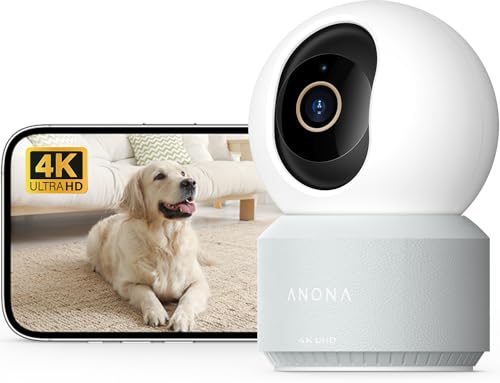

Picture this: You are at work, and your dog is home alone. You want to know if they are sleeping peacefully or tearing up the couch. A pet camera with pet recognition can tell you exactly who is moving, while a standard motion detection camera just sends an alert for any movement. Which one do you need? This guide compares four popular models to help you choose the right camera for your home and your pet’s needs. We have evaluated these cameras for features, reliability, and value. For more buying advice, check out our Comparisons category.



Buying Guide
Pet Recognition vs Motion Detection: What Matters Most?
The core difference is how each camera identifies activity. A pet camera with pet recognition uses AI to distinguish your cat or dog from a person or object. This reduces false alerts from shadows or curtains. A standard motion detection camera triggers on any movement, which can mean many notifications. For busy pet owners, pet recognition saves time and worry.
However, pet recognition often requires a subscription for advanced features. Motion detection cameras are simpler and usually cheaper. Consider your tolerance for false alerts and your budget. If you want to know exactly when your pet is active, pet recognition is worth the extra cost.
Video Quality and Night Vision
Clear video is essential for monitoring your pet’s behavior. Look for at least 1080p resolution, but 2K offers sharper details. Night vision is critical for checking on your pet while you sleep. Models with infrared LEDs provide clear black-and-white footage in darkness. Some cameras add spotlights for full-color night vision, which can be comforting for anxious pets.
Pan and tilt features let you follow your pet around the room. A camera that can rotate 360 degrees gives you full coverage. This is especially useful for active dogs or multiple pets. The VSTARCAM Interactive Pet Camera offers 360-degree pan and tilt, ideal for tracking movement.
Two-Way Audio and Interaction
Being able to talk to your pet can reduce separation anxiety. Two-way audio lets you soothe your dog or cat with your voice. Some cameras offer noise cancellation for clearer sound. This feature is a must if you want to calm your pet or even give commands remotely.
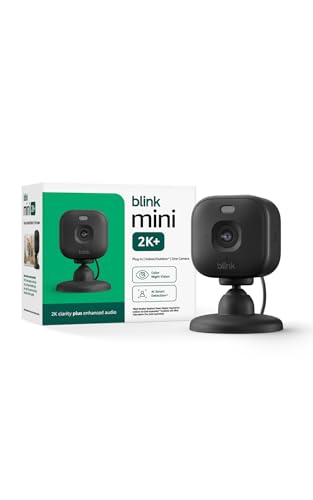
Interactive features like treat dispensers are not common in basic models, but audio alone can make a big difference. The Blink Mini 2K+ includes improved audio with noise cancellation, making conversations feel natural.
Storage and Subscription Costs
Most pet cameras offer local storage via a microSD card, which avoids monthly fees. Cloud storage plans provide extra security and longer video history. Some cameras, like the Tapo models, support both options. Consider how long you want to keep footage and whether you need cloud backup for peace of mind.
Pet recognition features often require a subscription, while motion detection is usually free. Factor in ongoing costs when comparing cameras. The Kasa 1080p Indoor Camera offers local storage with no subscription, making it a budget-friendly choice.
Final Thoughts
Choosing between a pet camera with pet recognition and a motion detection camera comes down to your specific needs. For pet owners who want to minimize false alerts and focus on their furry friends, the Kasa 1080p Indoor Pan/Tilt Wired Security Camera offers reliable motion detection with no subscription, while the VSTARCAM Interactive Pet Camera with Dual WiFi provides pet-friendly features like 360-degree tracking and clear two-way audio for interactive monitoring. Both deliver excellent value for keeping an eye on your pets.
Related Guides
Frequently Asked Questions
Can a pet camera with pet recognition work without a subscription?
Some cameras offer basic pet recognition for free, but advanced features like person detection often require a subscription. For 2026, many models like the Tapo C100 provide free motion detection but charge for cloud-based pet recognition. Check the product details before buying.
Is motion detection enough for monitoring pets?
Yes, motion detection works well for most pet owners. It alerts you when your pet moves, which is useful for checking activity levels. However, it may trigger false alerts from other movements. For more precise monitoring, a pet camera with pet recognition is better.
Do these cameras work with Alexa or Google Assistant?
Many pet cameras, including the Blink Mini 2K+, integrate with Alexa for voice control. Others may work with Google Assistant. Check compatibility before purchasing to ensure seamless integration with your smart home system.
How much storage do I need for a pet camera?
For continuous recording, a 64GB to 128GB microSD card can store several days of footage. Cloud storage plans offer longer retention, up to 30 days. Choose based on how often you review clips and your budget. Local storage is typically free, while cloud plans start at a few dollars per month.