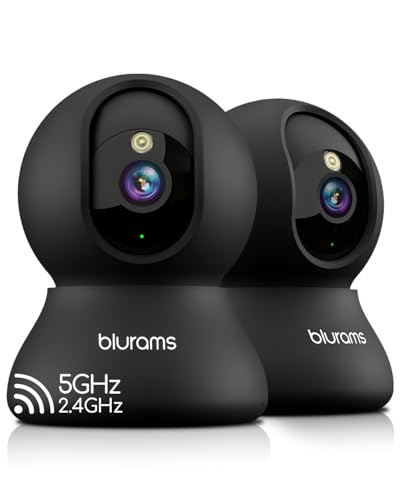

You have just settled into your workday, but a nagging worry lingers: is your dog sleeping peacefully or redecorating the living room? That is where a pet camera becomes indispensable. The choice between 4K and 2K resolution often defines your experience, and we are here to break down every detail. This guide compares the VSTARCAM Interactive Pet Camera with Dual WiFi (2K) and the Anona 4K UHD Indoor Camera (4K) to help you decide which fits your home and habits best. For a broader look at similar devices, explore our pet tech comparisons.
Whether you are a new pet parent or upgrading from an older model, understanding the trade-offs between ultra‑high definition and reliable mid‑range clarity will save you time and money. We have evaluated both cameras across real‑world scenarios, from daytime play to midnight mischief. Let us walk through the key differences so you can pick the perfect eye on your pet.

Buying Guide
Resolution and Image Quality
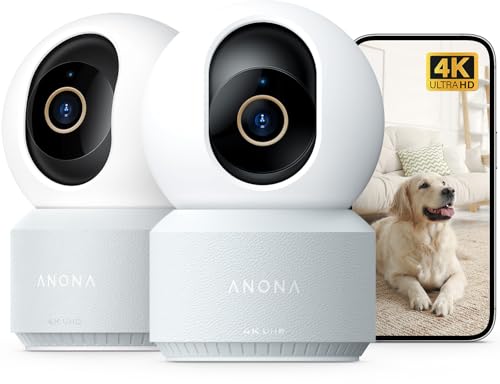
The most obvious difference between these two cameras is the resolution. The Anona 4K UHD Indoor Camera delivers four times the pixels of a standard 2K camera, capturing fine details like the glint in your cat’s eye or the texture of a chewed toy. Its 8x digital zoom lets you inspect far corners without losing clarity, making it ideal for large rooms or multi‑pet households.
On the other hand, the VSTARCAM Interactive Pet Camera with Dual WiFi offers crisp 2K HD video that is more than sufficient for most monitoring needs. While it cannot match the pixel density of 4K, its 11 infrared LEDs provide excellent night vision, ensuring you see every movement in total darkness. If your priority is clear footage without breaking the bank, 2K remains a strong contender.
AI Detection and Smart Alerts
Smart alerts separate a basic camera from a truly helpful pet monitor. The Anona 4K leverages advanced AI algorithms to distinguish between people, pets, and even baby crying. You receive instant notifications tailored to what matters, reducing false alarms from passing shadows or curtains. This feature is a game‑changer for busy owners who need to know when their dog is anxious or their baby is upset.
The VSTARCAM 2K uses reliable motion detection that sends alerts whenever movement occurs. While it lacks person/pet differentiation, its instant notifications are consistent and fast. For pet owners who simply want to know when their cat jumps off the couch, this straightforward approach works well. If you want more context in your alerts, the Anona’s AI is worth the upgrade. For deeper insights into smart home integration, check our Pet Tech Guides.
Connectivity and Stability
A pet camera is only as good as its connection. The Anona 4K supports dual‑band Wi‑Fi 6 (2.4 GHz and 5 GHz), delivering faster, more stable data transmission. This is especially beneficial if you have multiple smart devices at home, as Wi‑Fi 6 handles congestion better. You can smoothly pan, tilt, and zoom without frustrating lag.
The VSTARCAM 2K counters with dual WiFi antennas that ensure a strong, responsive connection on 2.4 GHz networks. While it lacks 5 GHz support, its dedicated antennas provide ultra‑low latency for real‑time control. Both cameras perform reliably, but the Anona’s Wi‑Fi 6 gives it an edge in busy households. Choose the VSTARCAM if your network is simple and you prioritize instant button response.
Pan‑Tilt Coverage and Field of View
Full room coverage is essential for monitoring active pets. The Anona 4K offers 360° pan and 110° tilt with an auto‑tracking feature that follows moving objects. This means the camera automatically keeps your dog in frame as it roams, recording every step without manual adjustment.
The VSTARCAM 2K also provides 360° pan and tilt control, but without auto‑tracking. You can manually steer the camera via the phone app, which works well for stationary observation. If your pet tends to stay in one area or you enjoy controlling the view yourself, the VSTARCAM is perfectly capable. For owners who want hands‑free tracking, the Anona’s auto‑tracking is a standout feature.
Final Thoughts
Choosing between 4K and 2K ultimately comes down to your priorities. If you crave the highest detail, intelligent alerts, and future‑proof connectivity, the Anona 4K UHD Indoor Camera is the clear winner for pet parents who want every hair and whimper captured. However, if you need a dependable, budget‑friendly camera with solid night vision and responsive controls, the VSTARCAM Interactive Pet Camera with Dual WiFi delivers excellent value without compromising on essential features. Both will keep you connected to your furry friend, but your specific needs will guide the perfect pick.
Related Guides
Frequently Asked Questions
Is a 4K pet camera worth the extra cost over 2K?
Yes, if you value ultra‑sharp detail and advanced AI features like person/pet detection. The Anona 4K captures more clarity, making it easier to see small objects or read labels from across the room. For most basic monitoring, 2K is still excellent and more affordable.
Can I use a pet camera for baby monitoring?
Absolutely. Both the Anona 4K and VSTARCAM 2K include two‑way audio, motion alerts, and night vision, making them suitable for baby monitoring. The Anona even has a dedicated baby crying detection mode, which adds extra reassurance for parents. For more tips on versatile cameras, visit our comparisons page.
Do I need Wi‑Fi 6 for a pet camera?
Not necessarily, but Wi‑Fi 6 (as in the Anona 4K) provides faster, more stable connections in crowded networks. If your home has many smart devices or you experience lag with older cameras, Wi‑Fi 6 is a worthwhile upgrade. The VSTARCAM’s dual antennas work well on standard 2.4 GHz routers, so it remains a solid choice for simpler setups.
How do I store video footage from these cameras?
Both cameras offer local storage via microSD card (up to 512 GB for Anona, and similar for VSTARCAM). The Anona also supports encrypted cloud storage through Anona Cloud. The VSTARCAM does not have cloud storage, so local recording is the primary option. Choose based on whether you prefer off‑site backups or local control.