

You love your cat, but scooping the litter box every day? Not so much. The market now offers several automatic litter boxes that promise to handle the dirty work, but choosing the right one can feel overwhelming. Two names keep popping up: PETKIT Purobot and Neakasa M1. In this guide, we compare the latest PETKIT Purobot lineup (including the Max Pro 2, Ultra, and Max 3 models) against the Neakasa M1 to help you decide which self-cleaning litter box fits your home and your cat’s needs. We have evaluated other pet tech comparisons to bring you a thorough assessment.



Buying Guide: What to Look for in a Self-Cleaning Litter Box
AI Camera and Health Monitoring
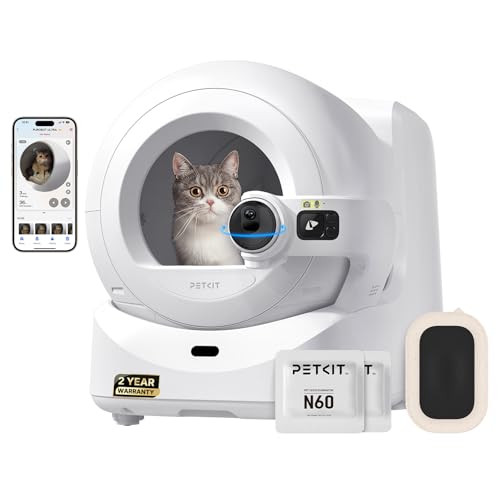
Modern litter boxes do more than scoop. Models like the PETKIT Purobot Ultra feature a rotating AI camera that tracks each cat’s bathroom visits, stool shape, and even urine clump size. This data helps you spot health issues early. If you have multiple cats, facial recognition ensures each cat’s records stay separate. The Neakasa M1 lacks this level of detailed health tracking, so if proactive pet care matters to you, a PETKIT model with AI camera is a strong choice.
Odor Control and Waste Sealing
No one wants a smelly litter box. PETKIT Purobot models use multiple layers: sealed waste bins, activated carbon filters, and odor eliminators like N50 and N60. The Purobot Ultra even auto-packs waste into sealed bags. The Neakasa M1 uses a carbon filter but does not seal waste as tightly. For homes with multiple cats or sensitive noses, PETKIT’s triple odor control is a clear advantage.
Safety and Cat-Friendly Design
Your cat’s safety is non-negotiable. PETKIT models include the XSecure system with multiple sensors, anti-pinch designs, and an entrance that stays open during cleaning. The Neakasa M1 also has safety sensors, but some users report occasional jams. PETKIT’s large openings (up to 10.5 inches) and low thresholds make them accessible for senior or short-legged cats. If you have a kitten under 6 months, note that PETKIT recommends waiting until they are older.
App Control and Smart Features
All modern litter boxes offer app connectivity, but the depth of features varies. PETKIT’s app lets you monitor usage, receive health alerts, and control cleaning schedules. The Neakasa M1 app is simpler, focusing on basic cleaning cycles. If you want detailed insights and remote control, PETKIT’s app (compatible with 2.4 and 5GHz Wi-Fi) provides more flexibility. For more on smart pet gadgets, check out our Pet Tech Guides.
Final Thoughts
After evaluating the features, safety, and health monitoring capabilities of the PETKIT Purobot lineup against the Neakasa M1, we believe PETKIT offers a more advanced and comprehensive solution for most cat owners. If you prioritize detailed health tracking and automatic waste packing, the PETKIT Purobot Ultra Auto Waste Packing is the top pick. For a more budget-friendly option with excellent odor control and a large opening, the PETKIT Purobot max 3 Odor Free&Leak Control delivers great value. Both models outperform the Neakasa M1 in key areas, making them worthy investments for a cleaner, healthier home.
Frequently Asked Questions
Can the PETKIT Purobot handle multiple cats?
Yes, models like the Purobot Ultra and Max Pro 2 can recognize up to 10 cats via weight or facial recognition. They track each cat’s bathroom habits separately, which is ideal for multi-cat households.
Is the Neakasa M1 quieter than PETKIT Purobot?
PETKIT Purobot models operate at 35-45 decibels, which is very quiet. The Neakasa M1 is also relatively quiet, but some users report a louder motor during the cleaning cycle. In 2026, both are acceptable for bedroom placement.
How often do I need to empty the waste bin?
For one cat, PETKIT Purobot models with a 7-10L bin can last 15-20 days without emptying. The Neakasa M1 holds about 6L, requiring more frequent changes. If you travel often, PETKIT’s larger bins are more convenient.
Do these litter boxes work with all clumping litters?
Yes, both PETKIT and Neakasa work with standard clumping clay, silica, and mixed litters. Avoid non-clumping or lightweight litters, as they may affect the cleaning mechanism.
