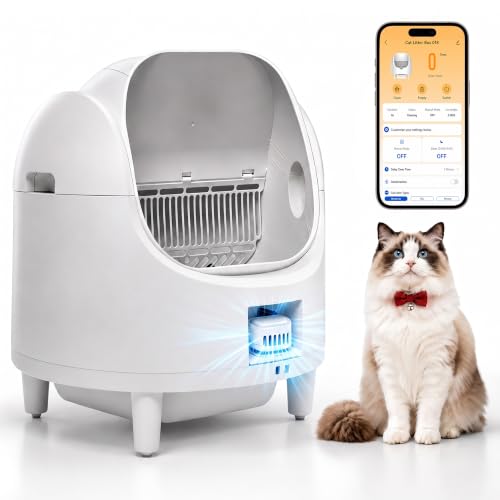

You love your cat, but you don’t love scooping litter every day. The debate between a smart litter box and a traditional litter box has never been more relevant. In 2026, automatic options have advanced dramatically, offering app control, safety sensors, and odor management. But are they worth the switch? This guide breaks down the real-world differences, helps you decide which style fits your lifestyle, and evaluates four top-rated smart litter boxes for multiple cats.
Whether you’re a busy professional, a frequent traveler, or a household with multiple felines, understanding the trade-offs between manual and automatic systems is key. We’ll cover everything from setup time to long-term maintenance. For more category comparisons, check out our Comparisons hub.


Buying Guide: Smart vs Traditional Litter Boxes
Before you decide, consider the factors that matter most to you and your cat. Here are three essential criteria to evaluate.
1. Cleaning Frequency and Convenience
Traditional litter boxes require daily scooping and weekly full cleaning. Smart models automate the process, raking or sifting waste into a sealed compartment. For multi-cat homes, an automatic unit can reduce scooping to once every five to fifteen days, depending on capacity. The Garvee Automatic Cat Litter Box, for instance, holds up to 15 days of clumped waste, a huge time saver.
If you travel often or have a busy schedule, the convenience of a self-cleaning system is hard to beat. For deeper insights on pet tech trends, visit our Pet Tech Guides.
2. Cat Adaptability and Safety
Not all cats take to a motorized box. Open-top designs, like the HHOLOVE Self Cleaning Litter Box, help shy or older cats adapt more easily because they offer visibility and low entry. Safety sensors are critical: the Fumoi Automatic Litter Box pauses operation when a cat approaches, preventing any risk of entrapment. Traditional boxes have no such concerns, but they also lack the health monitoring features found in smart models.
3. Odor Control and Maintenance
Smart litter boxes often incorporate sealed waste bins, charcoal filters, and deodorizing diffusers to keep smells locked away. The otoging Self Cleaning Litter Box uses a large 10L container to reduce odor buildup between emptyings. Traditional boxes rely on regular scooping and litter choice alone. If you live in a small space or have odor sensitivities, an automatic system can make a noticeable difference.
Final Thoughts
After evaluating the key differences, our recommendation comes down to your specific needs. For a spacious, open-top design with excellent safety features and app control, the HHOLOVE Self Cleaning Litter Box stands out for multiple cats and nervous adjusters. If you want maximum capacity and health tracking, the Garvee Automatic Cat Litter Box offers a generous 78L drum and 15-day waste storage, ideal for busy households. Both represent a significant upgrade over a traditional litter box, giving you more time with your cat and less time cleaning.
Related Guides
Frequently Asked Questions
Can I use clumping litter in a smart litter box?
Yes, most automatic litter boxes work best with clumping litter. Clumps are easier to separate and drop into the waste bin. Always check the manufacturer’s recommendations for your specific model to avoid jams or sensor issues.
Do smart litter boxes need WiFi to function?
Not all models require WiFi. The otoging Self Cleaning Litter Box operates without an app, using a simple power button. Others, like the Garvee and Fumoi models, offer app control via 2.4GHz WiFi for scheduling and health tracking, but they still clean automatically without a connection.
How long does a smart litter box last?
With proper maintenance, a good quality automatic litter box can last three to five years. Keep sensors clean, avoid overfilling, and follow the care instructions. For extra peace of mind, many brands like HHOLOVE offer a one-year warranty with options to extend.
Are smart litter boxes safe for kittens?
Most smart litter boxes are safe for kittens as long as they meet the minimum weight or age recommendation (usually around 8 weeks or 3 lbs). Safety sensors ensure the cycle stops if a kitten enters. Always introduce the box gradually and supervise the first few uses. For more tips, check our Pet Tech Guides.