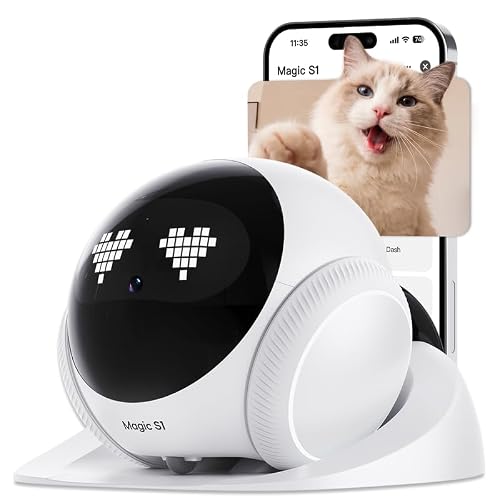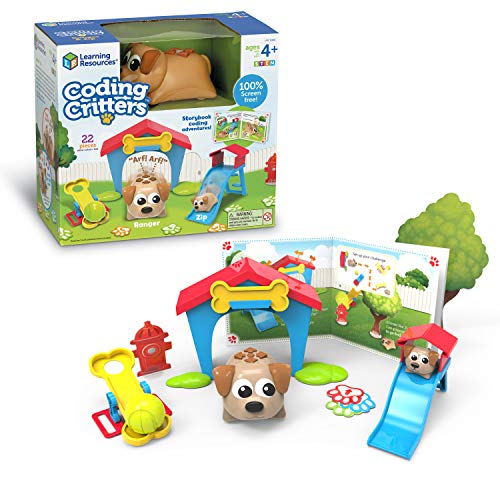

You want a fun, interactive companion for your child but can’t decide between a pet robot and a smart pet toy. Both offer excitement, but they serve different needs. Pet robots mimic real animals with lifelike movements and emotions, while smart pet toys focus on games, programming, and remote control stunts. In this guide, we review five top models from brands like Ruko, Aka Supaku, Gampop, Ozega, and yiman to help you choose the right one. For more comparisons, check out our comparisons page for additional insights.



Buying Guide
Interactivity and Realism
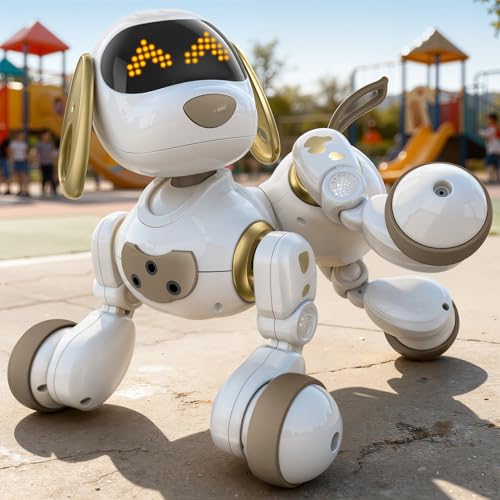
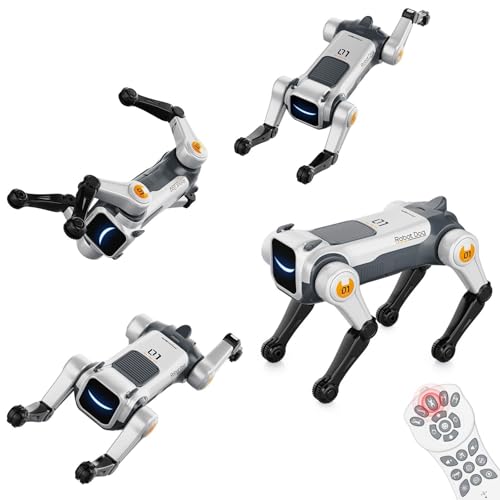
The most important factor is how the toy engages your child. Pet robots like the Ruko 18011 Smart Robot Dog feature expressive LED faces and respond to touch and voice, creating a bond similar to a real pet. Smart pet toys, such as the Gampop Smart Robot Stunt Dog, prioritize stunts and tricks over emotional connection. Consider whether your child wants a companion or an action performer. If they enjoy nurturing, a robot with lifelike gestures and moods wins. For pure entertainment, a stunt-focused robot may be better. Learn more about interactive play in our Pet Tech Guides.
Programming and STEM Learning
Many robotic pets now include programming modes to teach basic coding. The Ruko 18011 and Ozega Smart Robot Dog allow kids to design up to 50 custom move sequences, building logic and creativity. The Aka Supaku Smart Robot Dog goes further with a mobile app for iOS and Android, making programming accessible on a larger screen. If STEM education is a priority, choose a model with a robust programming feature. These toys turn playtime into a learning opportunity without feeling like homework.
Durability and Safety
Kids can be rough with toys, so build quality matters. All models here use non-toxic ABS plastic with smooth edges. The Gampop and yiman models are especially lightweight and impact-resistant, suitable for indoor and outdoor use. Check for obstacle avoidance sensors on models like the Ruko 18011, which prevent crashes and protect furniture. The battery life also affects longevity: most offer 45 minutes to 2 hours of play per charge. None require constant battery swaps, thanks to rechargeable USB-C ports.
Control Options and Range
Control methods vary widely. The yiman model uses infrared remote (limited to 33 feet) and voice commands via clapping. The Ozega and Ruko models offer 2.4GHz remotes with up to 100 feet range and even smartphone app control. Voice control is common, but accuracy differs. The Aka Supaku robot recognizes multiple voice commands, while the yiman only responds to applause. For younger kids, a simple remote may be easier. For tech-savvy children, app control adds depth. Choose based on your child’s age and comfort with technology.
Final Thoughts
After reviewing these five interactive robots, we believe the best choice depends on your child’s interests. For a lifelike pet experience with heartfelt interactions and strong STEM features, the Ruko 18011 Smart Robot Dog stands out with its expressive LED faces and touch sensitivity. If you want a stunt-focused toy that delivers high-energy action and easy voice control, the Smart Robot Dog, 2.4GHz Remote Control Robot Dog by Ozega offers a perfect blend of remote and app control for endless fun. Both options provide safe, durable play that grows with your child.
Frequently Asked Questions
What age is suitable for a pet robot or smart pet toy?
Most models are designed for ages 3 to 12. The yiman robot is recommended for ages 3 to 10, while the Ozega and Ruko models suit ages 5 to 12. Always check the manufacturer’s age recommendations to ensure safety and engagement. For younger children, simpler remotes and softer materials are better.
Can pet robots replace real pets?
They offer some benefits of pet ownership without mess or allergies, but they cannot replace the emotional bond of a living animal. However, for families unable to have real pets, robotic dogs provide companionship, entertainment, and even teach responsibility through care routines. As of 2026, technology has made them more lifelike than ever.
How long do these robot toys usually last on a single charge?
Battery life ranges from about 45 minutes for the Ruko model to up to 2 hours for the yiman robot. Most have rechargeable batteries via USB-C or included cables, and some automatically enter sleep mode to conserve power. Charging times typically range from 2 to 3 hours. For more on battery performance, see our Pet Tech Guides.
Do these toys require Wi-Fi or Bluetooth?
Most use infrared or 2.4GHz radio frequency, so no Wi-Fi is needed. The Aka Supaku model includes a Bluetooth mobile app, but it is optional. These robots work right out of the box with the included remote or voice controls, making them easy to use anywhere without internet connection.