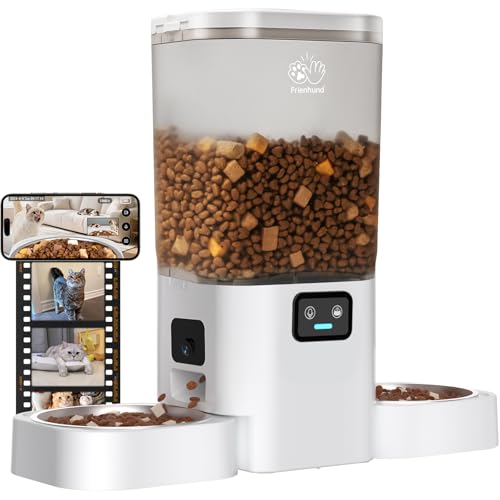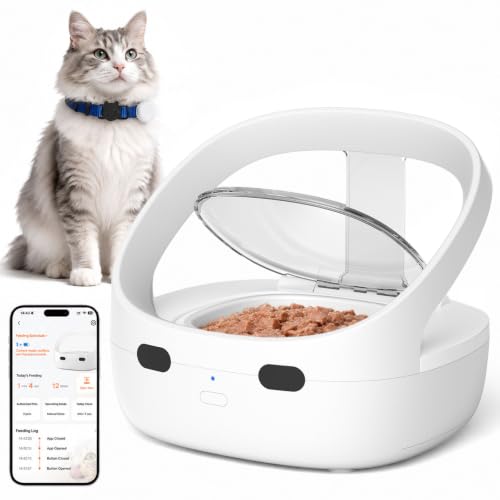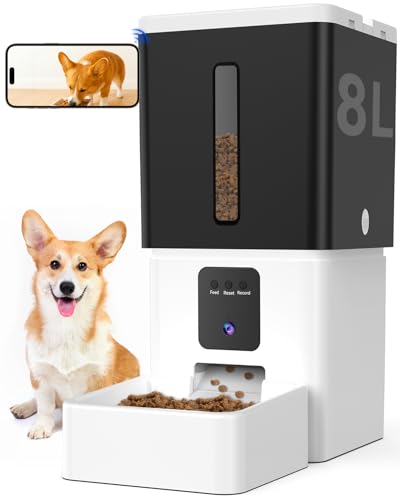

To stop one pet from stealing food, you need to separate them during meals, address any underlying resource guarding or food insecurity, and reinforce consistent feeding routines. This approach works because it removes the opportunity to steal while tackling the motivation behind the behavior. Understanding the specific cause in your household is the first step toward a peaceful feeding area.

Resource Guarding Between Pets
Resource guarding is one of the most common reasons a pet steals food from another. A pet may guard its own bowl from a housemate or actively take food from another pet to prevent that animal from having it. This behavior is instinctual and often worsens if it has been rewarded in the past.
Signs include stiff body language, growling, or quick gulping. If you see these, feeding your pets in separate rooms or on opposite sides of a door can immediately reduce conflict. You can also work on desensitization exercises to change the emotional response around food.
Food Insecurity or Anxiety
Some pets steal food because they feel insecure about their next meal. This is common in rescues or animals that experienced competition for food in the past. Even if you provide ample food, the anxiety may remain.
Feeding your pets on a strict schedule, using puzzle feeders, or offering smaller, more frequent meals can help build trust. Over time, the stealing behavior usually decreases as the pet learns that food is reliably available.
Different Feeding Schedules or Bowl Placement
When one pet finishes eating before another, the empty bowl becomes a target. If you feed free-choice or leave food down all day, a faster eater may steal from a slower one. Bowl placement matters too: bowls too close together make it easy for a faster eater to reach over.
Feeding all pets at the same time in separate locations, and picking up unfinished food after 15 to 20 minutes, removes the opportunity. If one pet is a slow eater, consider using a slow feeder bowl to extend its mealtime.
Lack of Supervision During Meals
Without direct oversight, many pets will take advantage of an unattended bowl. This is especially common in multi-pet households where you step away for just a moment. Leftover food on the floor or in a pet bed can also attract a thief.
Simply staying in the room while your pets eat allows you to intervene with a verbal cue or by redirecting attention. If you cannot supervise, feed your pets in separate enclosures or use baby gates to create physical barriers.
Medical Reasons for Increased Appetite
Sometimes food stealing is driven by a medical condition that increases hunger. Conditions like diabetes, thyroid disorders, or certain medications can make a pet feel constantly hungry. If your pet suddenly starts stealing food and shows other symptoms like weight loss or excessive thirst, a vet check is warranted.
Treating the underlying issue often reduces the food-seeking behavior. For example, a pet with diabetes may need dietary adjustments or insulin, which can normalize appetite and stop the stealing.
How to Fix Food Stealing Between Pets
- Feed your pets in separate rooms or on opposite sides of a door to eliminate opportunity.
- Use a consistent feeding schedule and remove bowls after 15 minutes to prevent graze stealing.
- Address resource guarding with desensitization exercises or by consulting a trainer.
- Add puzzle feeders or slow feeders for pets who eat too fast and then search for more.
- Rule out medical causes by scheduling a vet visit if appetite changes are sudden.
Implementing one or more of these steps should reduce tension quickly. For a deeper look at managing multi-pet feeding dynamics, check out our other articles in the Blog for tips on pet behavior and nutrition.
Frequently Asked Questions
Why does my dog steal food from my cat?
Dogs often see cat food as a high-value treat because it is higher in protein and fat. If your dog finishes its own food quickly, it may steal the cat’s leftovers. Feeding them in separate rooms or at different times can stop this.
Is food stealing a sign of dominance?
Not usually. Food stealing is more about opportunity and motivation than social hierarchy. Even a submissive pet will steal if the reward is high enough and no one stops them. Focus on management and training rather than dominance theory.
Can I train my pet to stop stealing food?
Yes, with consistent training. Teach a strong “leave it” or “stay” command and reward your pet for ignoring other bowls. Gradually increase the difficulty by adding distance or a second pet. Professional help is available if the behavior is severe.
Should I punish my pet for stealing food?
Punishment rarely stops the behavior and can increase anxiety or resource guarding. It is more effective to set up the environment so stealing is impossible, then reward calm behavior during meals. Positive reinforcement builds lasting change.
Final Thoughts
Stopping one pet from stealing food comes down to managing mealtimes and addressing the root cause, whether it is anxiety, habit, or health. Start with separation and a consistent routine, and observe what changes. For more detailed guidance, explore our blog for behavior and feeding advice tailored to multi-pet households.