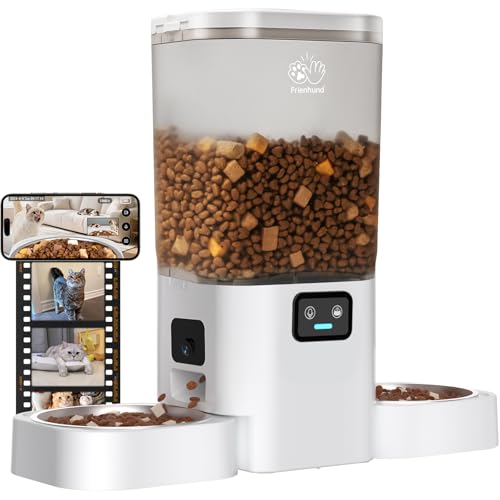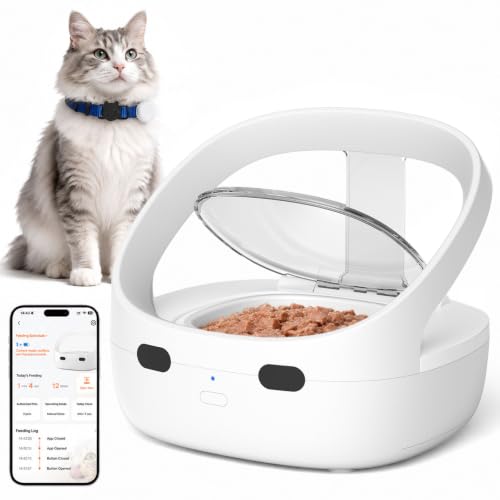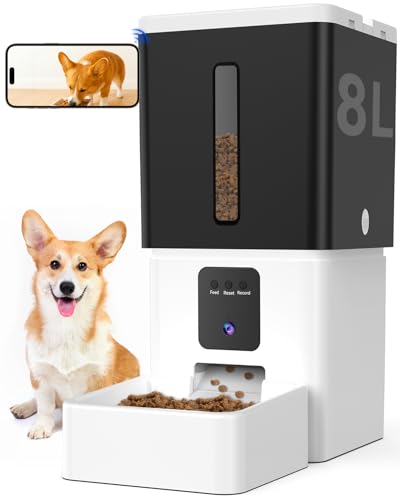

Yes, automatic pet feeders are generally safe for most pets and owners, but their safety depends on choosing a reliable model and using it correctly. The question “are automatic pet feeders safe” is one every pet owner should ask before leaving their pet’s meals to a machine. In 2026, the technology has improved significantly, but the core concerns remain. With proper setup, regular maintenance, and a few precautions, these devices can be a convenient and trustworthy tool for feeding your cat or dog.
Mechanical Malfunctions and Jamming
The most common safety issue with automatic feeders is a mechanical jam. Kibble can get stuck in the dispensing mechanism, especially if the food is oddly shaped or the feeder is not designed for larger pieces. When this happens, your pet might miss a meal entirely or receive too much food when the jam clears.
To reduce this risk, choose a feeder with a robust auger system and follow the manufacturer’s recommendations for kibble size. Regular inspection of the dispensing opening can also catch a potential jam before it causes a problem.
Power Outages and Battery Failures
If your automatic feeder relies solely on electricity, a power outage can mean your pet goes hungry. Many feeders include a battery backup, but batteries can drain or fail over time. Without a backup plan, even a short outage can disrupt your pet’s feeding schedule.
Look for models that offer a reliable battery backup and test it regularly. Some feeders also have low-battery indicators so you know when to replace the batteries before they die completely.
Food Freshness and Spoilage
Kibble stored in a feeder’s hopper is exposed to air and humidity, which can cause it to go stale or spoil faster than food kept in an airtight container. This is especially true in warm or damp climates. Spoiled food can lead to digestive upset or even more serious health issues for your pet.
To keep food fresh, only fill the hopper with a few days’ worth of kibble at a time. Consider adding a desiccant pack to the hopper if your feeder allows it, and always store bulk food separately in a cool, dry place.
Cleaning and Hygiene Issues
Automatic feeders can become breeding grounds for bacteria if not cleaned regularly. Moisture from your pet’s saliva or a humid environment can get into the bowl and the dispensing mechanism, leading to mold and bacterial growth. This is a particular concern for wet food dispensers.
Disassemble and wash the bowl and hopper according to the manufacturer’s instructions, typically every few days. A clean feeder is not only safer but also more reliable, as food residue can cause clogs and jams.
Pet Behavior and Overeating
Some pets learn to manipulate automatic feeders, pawing at the dispenser to release extra food. This can lead to overeating and weight gain, especially in food-motivated dogs and cats. Additionally, the sound of the feeder dispensing food can cause anxiety in some pets.
If your pet is prone to overeating, consider a feeder with a locking mechanism or one that is designed to be tamper-proof. Introduce the feeder gradually so your pet becomes accustomed to the sound and routine.
Improper Setup and Placement
Where you place the feeder matters. If it is too close to a wall or in a high-traffic area, it might be knocked over or unplugged. Some pets may also try to push the feeder around, causing spills or damage to the unit.
Position the feeder on a flat, stable surface away from edges and foot traffic. Make sure the cord is secure and not a tripping hazard. For added safety, use a surge protector to protect the electronics.
How to Ensure Your Automatic Pet Feeder Stays Safe
- Choose a feeder designed for your pet’s kibble size and inspect the mechanism regularly for jams.
- Ensure your feeder has a reliable battery backup and test it monthly.
- Fill the hopper with only a few days of food at a time and store bulk kibble in an airtight container.
- Clean the bowl and hopper every few days to prevent bacteria and mold growth.
- Monitor your pet’s behavior and adjust the feeder’s portion size or lock settings if needed.
- Place the feeder on a stable, flat surface away from edges and ensure cords are secure.
Related Guides
Frequently Asked Questions
Can automatic pet feeders cause overfeeding?
Yes, if the feeder malfunctions or dispenses more food than programmed. Some pets also learn to paw at the feeder to release extra food. To prevent overfeeding, choose a model with portion control settings and a tamper-proof design. Monitor your pet’s weight and adjust portions as needed.
How do I keep my pet’s food fresh in an automatic feeder?
Store bulk kibble in an airtight container away from heat and humidity. When filling the hopper, only add a few days’ worth of food. Some feeders have airtight seals or allow for desiccant packs. Avoid mixing wet and dry food in the same dispenser.
What happens during a power outage?
If your feeder has a battery backup, it will continue operating for a limited time. Without backup, the feeder stops and your pet may miss a meal. Check the battery status regularly and consider a secondary plan, such as a backup feeder or a pet sitter, for extended outages.
How often should I clean my automatic pet feeder?
Most manufacturers recommend cleaning the bowl and food hopper every two to three days. For wet food dispensers, daily cleaning is necessary to prevent bacterial growth. Always unplug the unit before disassembly and follow the manual’s cleaning instructions to avoid damaging electronics.
Automatic pet feeders are safe when you choose a reliable model and follow best practices for setup, maintenance, and monitoring. For more detailed guidance, browse our blog for articles covering everything from troubleshooting to safety tips.