
You’ve finally upgraded to an automatic litter box, but now you’re staring at a wall of litter options, wondering which one won’t gum up the gears or leave your home smelling like a zoo. We get it. The right litter can make or break your self-cleaning experience. This guide cuts through the noise to help you find the best kitty litter for automatic litter boxes in 2026, whether you have a single senior cat or a bustling multi-cat household.
We’ve evaluated top-performing litters and paired them with automatic boxes that work in harmony. From clumping power to dust control, we cover what actually matters. For a deeper dive into multi-cat setups, check out our guide to automatic litter boxes for multiple cats.




Buying Guide: What to Look for in Litter for Automatic Boxes
Choosing the right litter isn’t just about grabbing the first bag you see. Automatic boxes have specific needs that standard litters might not meet. Here are the key factors we considered when selecting our top picks.
Clumping Power and Speed
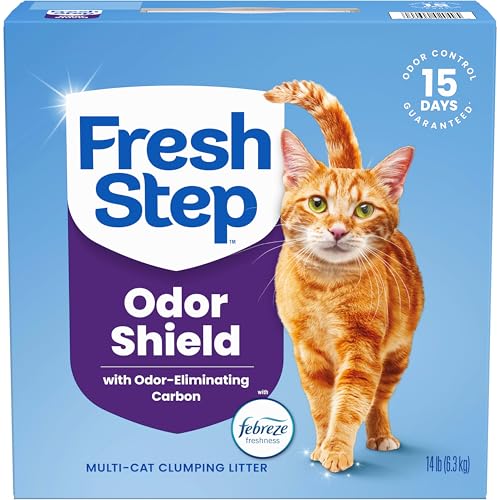
The best litter for automatic boxes forms hard, fast clumps that won’t break apart during the sifting cycle. If clumps crumble, they can clog the waste bin or leave residue behind, forcing more frequent cleanings. Look for litters that advertise “lock-tight” clumping, like the Fresh Step Odor Shield Multi Cat Clumping Cat Litter, which uses ClumpLock technology to keep clumps intact.
Fast-forming clumps also mean less moisture sits in the box, reducing odor and bacterial growth. This is especially important in multi-cat homes where the box cycles more frequently. For budget-friendly options that still deliver solid clumps, see our roundup of affordable self-cleaning boxes that work well with these litters.
Dust and Sensor Compatibility
Automatic litter boxes rely on sensors to detect your cat and trigger cleaning cycles. High-dust litters can coat these sensors over time, leading to misfires or missed cleanings. Low-dust formulas, like the BoxiePro Bot Probiotic Cat Litter, are specifically designed to keep sensors clean and functioning properly.
Dust isn’t just a mechanical issue; it’s a health concern for both you and your cat. Inhaling fine particles can irritate lungs, especially in small spaces. Choosing a low-dust litter helps maintain better air quality in your home.
Odor Control That Lasts
An automatic box already helps contain odors, but the litter is your first line of defense. Look for options with activated charcoal, baking soda, or probiotics that neutralize ammonia and other waste odors. The Purina Tidy Cats Cat Odor Control Litter, designed for Litter-Robot, uses odor-absorbing technology to keep the waste drawer fresh between cycles.
Some litters add fragrance, which can be pleasant but may not suit sensitive cats. Unscented options like BoxiePro are a safer bet if your cat is picky about smells. For more tips on managing odors, explore our review of the PetSafe ScoopFree Crystal Classic, which uses crystal litter for superior odor control.
Waste Bin Capacity and Litter Usage
Automatic boxes have varying waste bin sizes, and the litter you choose affects how often you’ll empty them. Clumping litters that form tight clumps use less litter per scoop, extending the time between cleanouts. For example, the Cumrige Automatic Litter Box features a 95L drum and 15L waste bin, which can last up to 15 days with efficient clumping litter.
If you have multiple cats, you’ll want a litter that holds up under frequent use without turning to mud. Multi-cat formulas, like Fresh Step’s, are engineered to handle higher traffic. Check out our review of the Meowant Extra Large Automatic Litter Box for a box that pairs well with these litters.
Final Thoughts
Finding the best kitty litter for automatic litter boxes comes down to balancing clumping strength, dust control, and odor management. For most households, the Fresh Step Odor Shield Multi Cat Clumping Cat is a reliable, low-dust choice that works with almost any automatic box, while the BoxiePro Bot Probiotic Cat Litter offers exceptional odor control and sensor-friendly performance for tech-savvy pet parents. Whichever you pick, your cat will thank you for a cleaner, fresher bathroom experience.
Related Guides
Frequently Asked Questions
What kind of litter is best for automatic litter boxes?
Clumping litter is generally the best choice for automatic boxes because it forms solid clumps that can be easily sifted and removed. Look for low-dust, fast-clumping formulas to keep sensors clean and prevent clogs. Avoid non-clumping litters, as they can turn to sludge and damage the mechanism.
Can I use crystal litter in an automatic litter box?
Yes, but not all automatic boxes are compatible. Crystal litter is non-clumping, so it requires a box with a different waste separation system, like the PetSafe ScoopFree models that use crystal trays. If your box is designed for clumping litter, stick with clumping formulas to avoid mechanical issues.
How often should I empty the waste bin in an automatic litter box?
Most automatic boxes have waste bins that need emptying every 5 to 15 days, depending on the bin size and number of cats. Some models, like the Mimfam Automatic Self Cleaning Litter Box, offer a 10L capacity that can last up to 10 days for a single cat. Check your box’s indicator or app for alerts.
Do automatic litter boxes work with multi-cat households?
Absolutely, but you’ll need a box with a larger waste bin and a litter that can handle frequent use. Look for multi-cat formulas like Fresh Step or Purina Tidy Cats, and consider a box with a high capacity, such as the Cumrige Automatic Litter Box. For more guidance, visit our litter box accessories page for compatible liners and mats.