
You work hard, you commute, you run errands, and your pet spends hours alone at home. You wonder: Is my dog napping peacefully or chewing the sofa? Is my cat playing or plotting mischief? A pet camera with continuous recording gives you the peace of mind that comes with knowing you can replay every moment, not just motion-triggered clips. In this guide, we have rounded up the best pet cameras with continuous recording for 2026, covering options from budget-friendly to high-end, so you can pick the one that fits your home and your habits. If you are also looking for cameras that alert you to specific sounds, check out our roundup of pet cameras with sound alerts for extra awareness.



Buying Guide: What to Look for in a Pet Camera with Continuous Recording
Storage Options: SD Card vs. Cloud
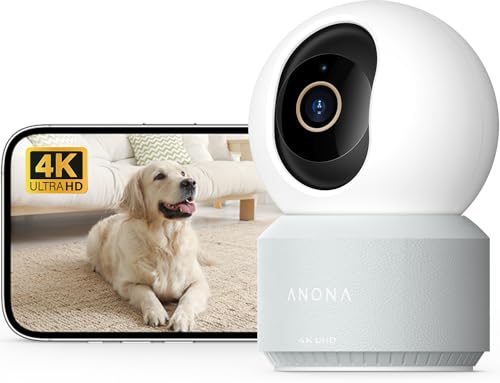
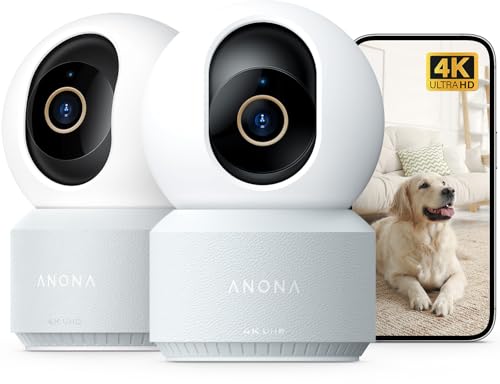
Continuous recording means saving hours of footage every day. Most cameras in this category support local storage via a microSD card, which avoids monthly fees. The SensForge 2.5K Indoor Pan-Tilt Security Camera even includes a 64 GB card out of the box. Others, like the Anona 4K, offer optional cloud storage with encryption. Decide whether you prefer a one-time purchase or a subscription, both work well, but local storage is simpler for continuous recording.
Resolution and Night Vision
A clear image lets you see your pet’s expressions and activities, even in the dark. Cameras like the Cinnado 2K and GNCC 2K provide crisp 2K resolution, while the Anona 4K goes further with ultra-high definition. For nighttime, look for infrared LEDs that don’t disturb your pet. The SensForge and Cinnado models both offer excellent night vision with 940 nm IR lights that are invisible to pets.
Pan, Tilt, and Field of View
A camera that can rotate 360 degrees horizontally and tilt vertically covers every corner of the room. This is essential for active pets that move around. The Kasa EC70, Cinnado D1, and GNCC all offer pan/tilt functionality. The Anona 4K even includes auto-tracking, so it follows your pet automatically. If you have multiple pets or a large space, a pan/tilt camera is a must.
Smart Detection Features
While continuous recording captures everything, smart alerts help you find important moments quickly. AI-powered detection can distinguish between humans, pets, and other motion, reducing false notifications. The SensForge camera offers human and pet detection, and the Anona 4K even detects baby crying. For more advanced AI features, explore the AI pet cameras subcategory.
Final Thoughts
Choosing the right pet camera with continuous recording comes down to your priorities: if you want a hassle-free setup with included storage and excellent AI detection, the SensForge 2.5K Indoor Pan-Tilt Security Camera is our top pick for most households. For those who demand the sharpest 4K video and advanced auto-tracking, the Anona 4K UHD Indoor Camera delivers premium performance. Whichever you choose, you will enjoy the peace of mind that comes from never missing a moment of your pet’s day.
Related Guides
Frequently Asked Questions
Can pet cameras record continuously without a subscription? Yes, most pet cameras support continuous recording to a local microSD card, with no monthly fee. Models like the SensForge, Kasa EC70, and Cinnado D1 all offer this option.
How much storage do I need for continuous recording? A 64 GB card can store roughly 2 to 3 days of continuous 2K footage, depending on compression. For longer retention, consider a 128 GB or 256 GB card. The SensForge comes with a 64 GB card included, which is a great starting point.
Is continuous recording safe for my pet’s privacy? Absolutely. Local storage keeps footage on a card you control, and cloud options use encryption. You can also enable privacy modes on many cameras to stop recording when you are home, like the Anona’s privacy mode.
What is the difference between continuous recording and motion-triggered recording? Continuous recording saves video 24/7, so you can rewind to any moment. Motion-triggered recording only saves clips when movement is detected, which may miss quiet moments. For a full history, continuous recording is the way to go.